TL;DR:
Buying a luxury watch is emotional, expensive, and easy to get wrong. This guide breaks down the most common luxury watch buying mistakes—from overpaying and skipping authentication to choosing the wrong seller or rushing the decision—and shows you how to avoid regret while protecting your money.
- Luxury Watch Buying Mistakes That Start With No Research
- Overpaying Because You Fell in Love Too Fast
- Ignoring Authenticity Checks and Paperwork
- Mistakes Around Size, Fit, and Lifestyle
- Underestimating Ownership and Service Costs
- Buying From the Wrong Seller
- Mistakes About Resale and Value Retention
- Rushing the Decision Instead of Building Confidence
Luxury Watch Buying Mistakes
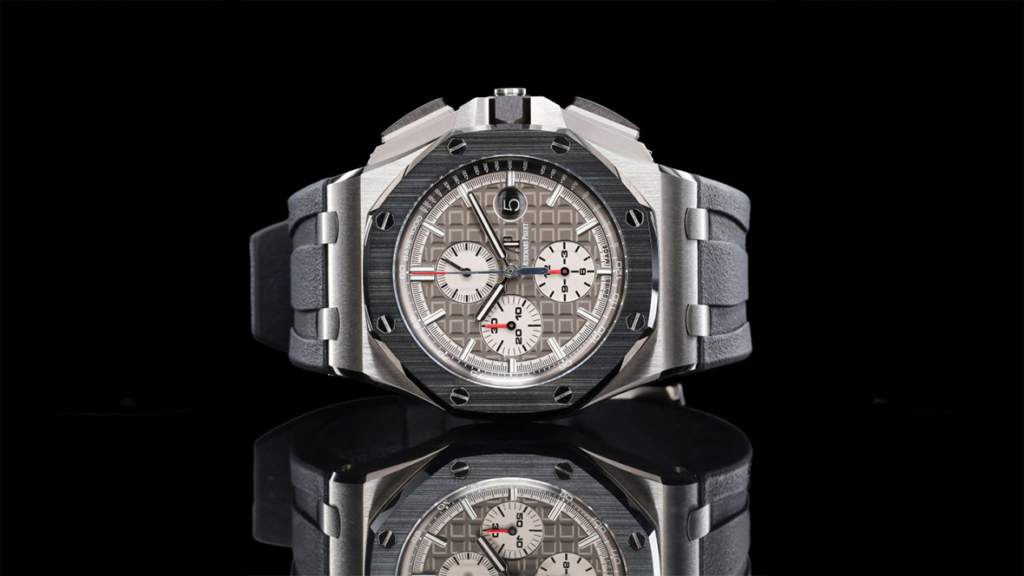
Buying a luxury watch feels like an achievement. It’s not just a purchase—it’s a reward, a marker of progress, or sometimes a long-delayed dream. That emotional weight is exactly why luxury watch buying mistakes happen so often.
Most buyers don’t mess up because they’re careless. They mess up because excitement overrides discipline. The watch looks perfect. The seller sounds confident. The price feels justified in the moment.
This guide exists to slow you down. We’ll walk through the most common luxury watch buying mistakes, explain why smart people fall into them, and show you how to buy with confidence instead of regret.
Luxury Watch Buying Mistakes Start With No Research
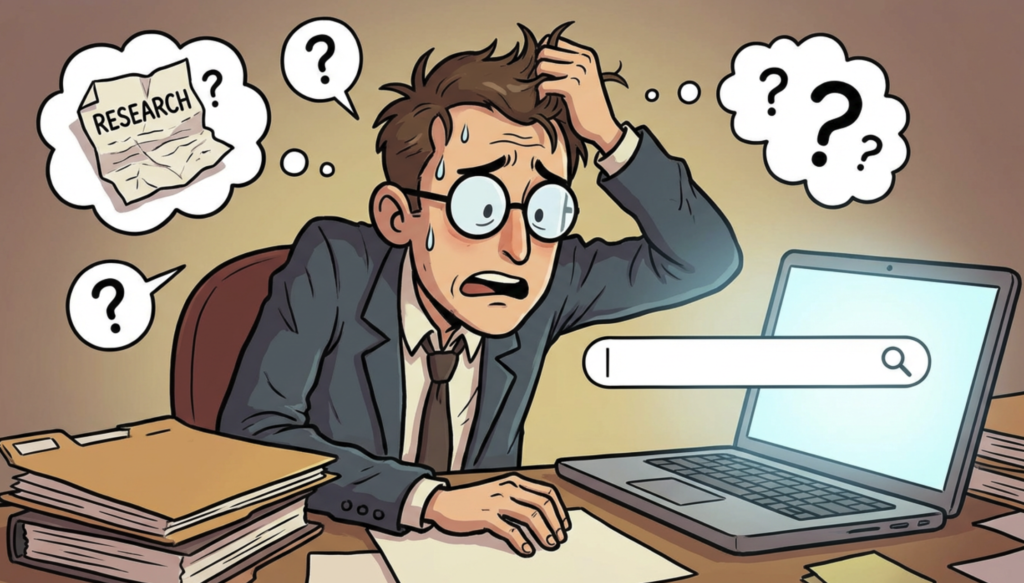
Skipping research is the original sin of watch buying. Many buyers recognize a brand name and assume that’s enough. It isn’t.
Luxury watches are defined by references, not names. A single model line can include dozens of variations with wildly different values. Dial color, movement generation, bracelet type, production year, and even font changes can swing prices by thousands.
This is where luxury watch buying mistakes quietly begin. Buyers think they’re comparing the same watch across listings when they’re actually looking at entirely different references.
Proper research means knowing exactly what you’re buying before you see it in person. That includes reference number, movement caliber, case material, and known issues. Some references are beloved by collectors. Others are avoided for reliability or service reasons.
It also means understanding brand-specific quirks. Certain brands update movements frequently. Others don’t. Some dials fade beautifully. Others degrade badly.
If you want to avoid confusion, learning how experienced buyers research models will save you real money.
Research isn’t about memorizing facts. It’s about avoiding expensive surprises.
Overpaying Because You Fell in Love Too Fast
Let’s be honest. Overpaying usually happens because the watch makes you feel something.
You finally try it on. The weight feels right. The dial catches light in a way photos never show. Suddenly logic fades and urgency takes over. Sellers understand this moment well.
This is where many luxury watch buying mistakes become permanent. Buyers confuse emotional satisfaction with market value.
Asking prices are not real prices. They reflect optimism, not transactions. The only numbers that matter are completed sales, and those are often significantly lower.
Market data consistently shows that only certain watches hold value well over time. Many luxury watches depreciate immediately after purchase, regardless of brand prestige.
It’s important to understand: Why pre-owned luxury watches retain value.
The easiest way to avoid overpaying is comparison. Look at multiple sellers. Track listings over weeks. If a watch has been sitting, there’s room to negotiate.
If a seller pressures you, that’s information. The right watch doesn’t require panic.
Ignoring Authenticity Checks and Paperwork
This is one of the most damaging luxury watch buying mistakes because it can erase value instantly.
Modern counterfeits are extremely convincing. But Frankenwatches are worse. These watches contain genuine parts from different references or years, creating something that looks right but isn’t correct.
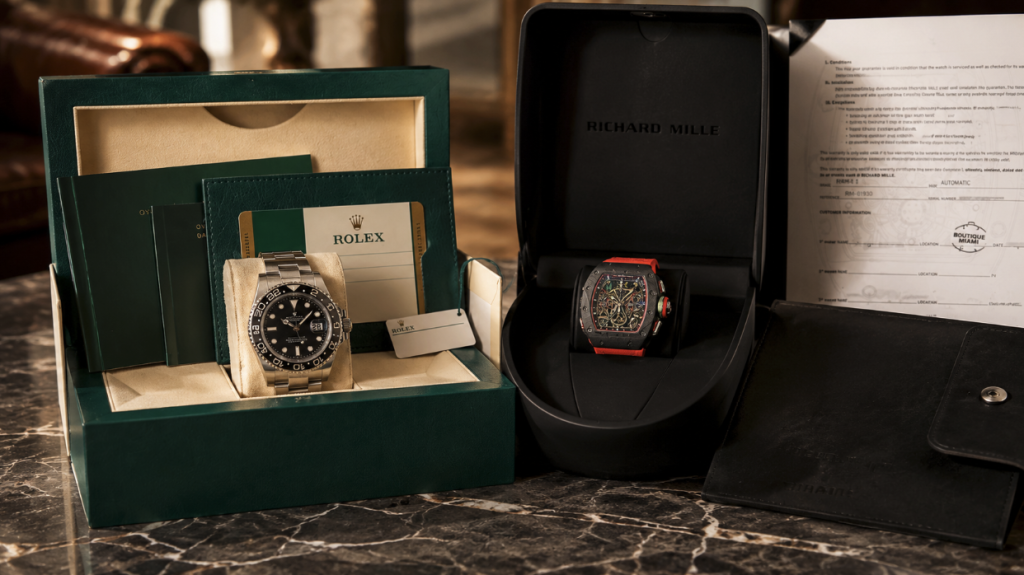
Original box and papers don’t just add resale value. They establish legitimacy. Serial numbers should match. Movement numbers should align with production years.
Industry research confirms that counterfeit and altered luxury watches remain a serious issue, especially in secondary markets where buyers assume authenticity by default.
Be aware of Luxury watch counterfeiting risks.
Authentication isn’t paranoia. It’s protection. If you don’t understand how verification works, learn before buying.
A beautiful fake is still worthless.
Mistakes Around Size, Fit, and Lifestyle
Some watches are admired more than they’re worn. That’s usually a fit or lifestyle problem.
Case diameter doesn’t tell the whole story. Lug-to-lug length, thickness, weight, and bracelet design matter just as much. A watch that looks fine in photos can feel awkward after eight hours.
Many luxury watch buying mistakes happen because buyers shop for an imagined lifestyle. They buy a dress watch they never dress up for, or a heavy sports watch that feels out of place daily.
Comfort determines wrist time. Wrist time determines satisfaction.
If you want a watch that actually gets worn, buy for your real routine, not your fantasy one.
The best watch is the one that disappears on your wrist.
Underestimating Ownership and Service Costs
The purchase price is only the entry fee.
Mechanical watches require regular servicing. Depending on brand and complication, that service can cost hundreds or thousands of dollars. Chronographs, perpetual calendars, and tourbillons multiply costs quickly.
Some brands require factory servicing to maintain warranty or resale value. Others have limited independent options. Parts availability also matters, especially for discontinued models.
Market analysis consistently identifies servicing and maintenance as major long-term ownership expenses.
Ignoring these realities leads to frustration later.
Buying From the Wrong Seller
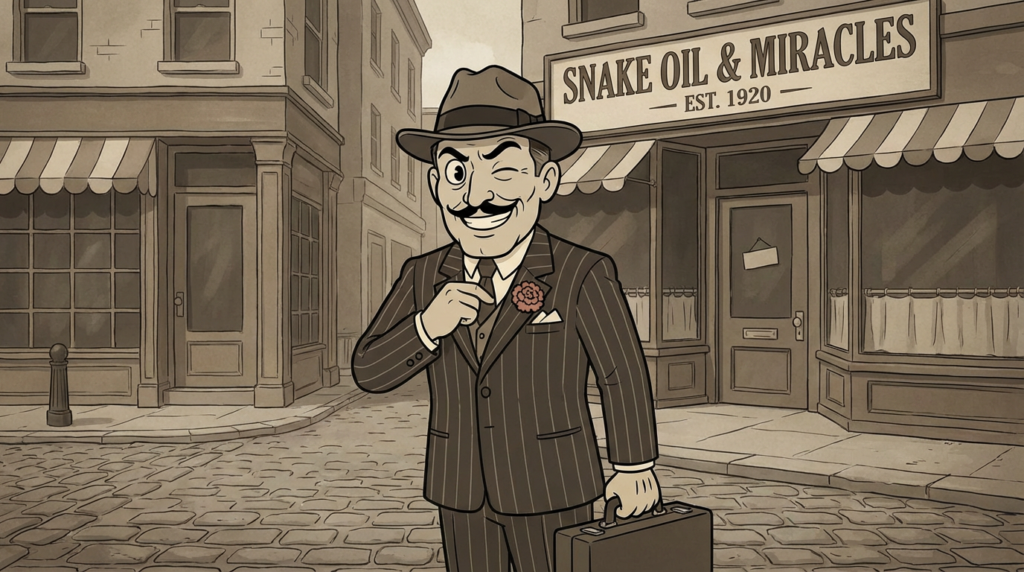
The watch might be perfect. The seller might not be.
Private sellers offer lower prices but higher risk. Dealers provide security at a premium. Marketplaces sit somewhere in between.
Choosing poorly here is one of the easiest luxury watch buying mistakes to avoid. Reviews matter. Transaction history matters. Communication quality matters.
If something feels off, trust that instinct.
If you’re unsure where to buy, reputable sellers reduce risk.
See resources such as: Where to buy luxury watches safely, to help.
Peace of mind is part of the price.
Mistakes About Resale and Value Retention
Even if you never plan to sell, resale matters.
Life changes. Tastes evolve. Watches move on. Ignoring resale value is one of those luxury watch buying mistakes that only hurts later.
Condition, completeness, originality, and service history all affect value. Over-polishing cases, swapping parts, or losing accessories can permanently reduce appeal.
You don’t need to treat watches like stocks. But pretending value doesn’t matter at all is risky.
Thinking one step ahead protects your flexibility.
Rushing the Decision Instead of Building Confidence
Rushing ties every mistake together.
Confidence comes from exposure. From seeing many examples. From understanding fair value instinctively.
When buying feels calm instead of urgent, you’re ready.
If pressure appears, pause.
The right watch waits.
Avoiding Luxury Watch Buying Mistakes Is About Control
Luxury watch buying mistakes aren’t caused by lack of intelligence. They’re caused by emotion, impatience, and misplaced confidence.
The buyers who succeed long-term research deeply, verify authenticity, understand ownership costs, and refuse to rush.
If your watch brings confidence instead of anxiety, you bought it right. Control the process, trust your discipline, and enjoy the watch for what it’s meant to be.