The Watches That Won the 2026 Oscars
This year, almost nobody believed in invisible anymore. For the first time, the red carpet told the truth about watches.
The Oscars is where America goes to watch itself become something shinier. But this year, something unexpected happened on the red carpet: the watches stopped pretending to be invisible. For decades, the formal rule had been simple—wear something elegant, understated, forgettable. This year, attendees arrived with timepieces that announced themselves, that reflected actual taste, actual history, actual knowledge of who they were.
◆
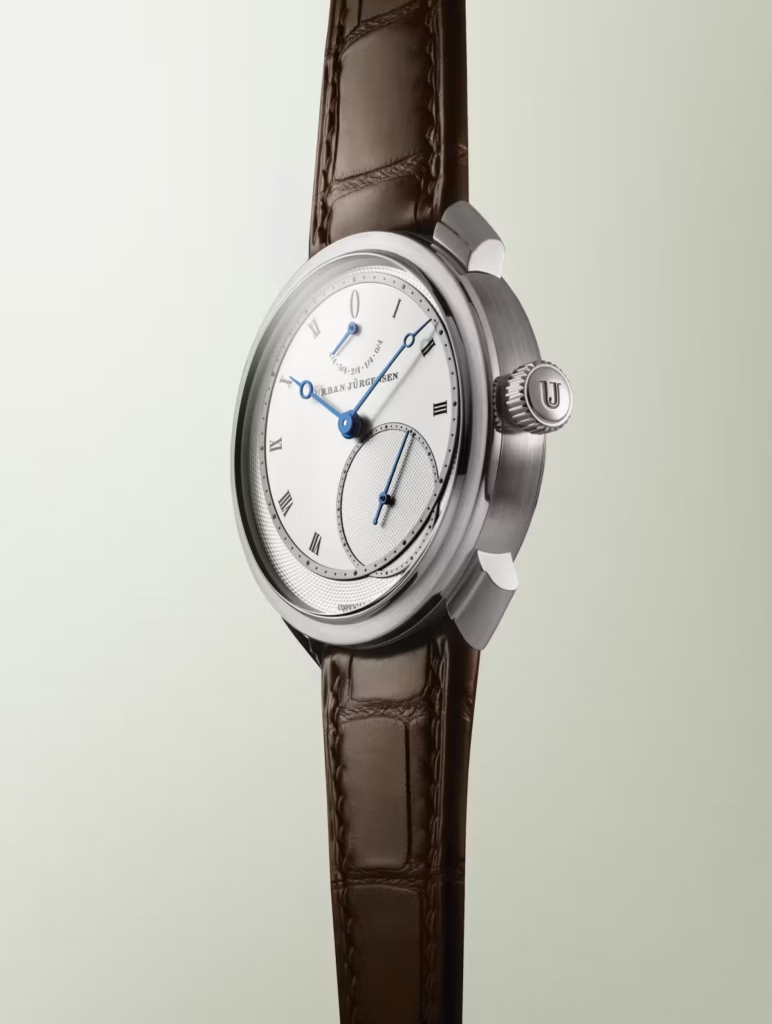
Urban Jürgensen UJ-2
Chalamet arrived in white and on his wrist: a watch designed by master independent watchmaker Kari Voutilainen—a legend whose name circulates in forums like scripture. The UJ-2 features a double-wheel natural escapement, the kind of mechanical complexity that exists in watches because some people believe complications are poetry. He wore it without apology, the way someone wears something they actually, genuinely love rather than something that photographs well.
Independent Watchmaking
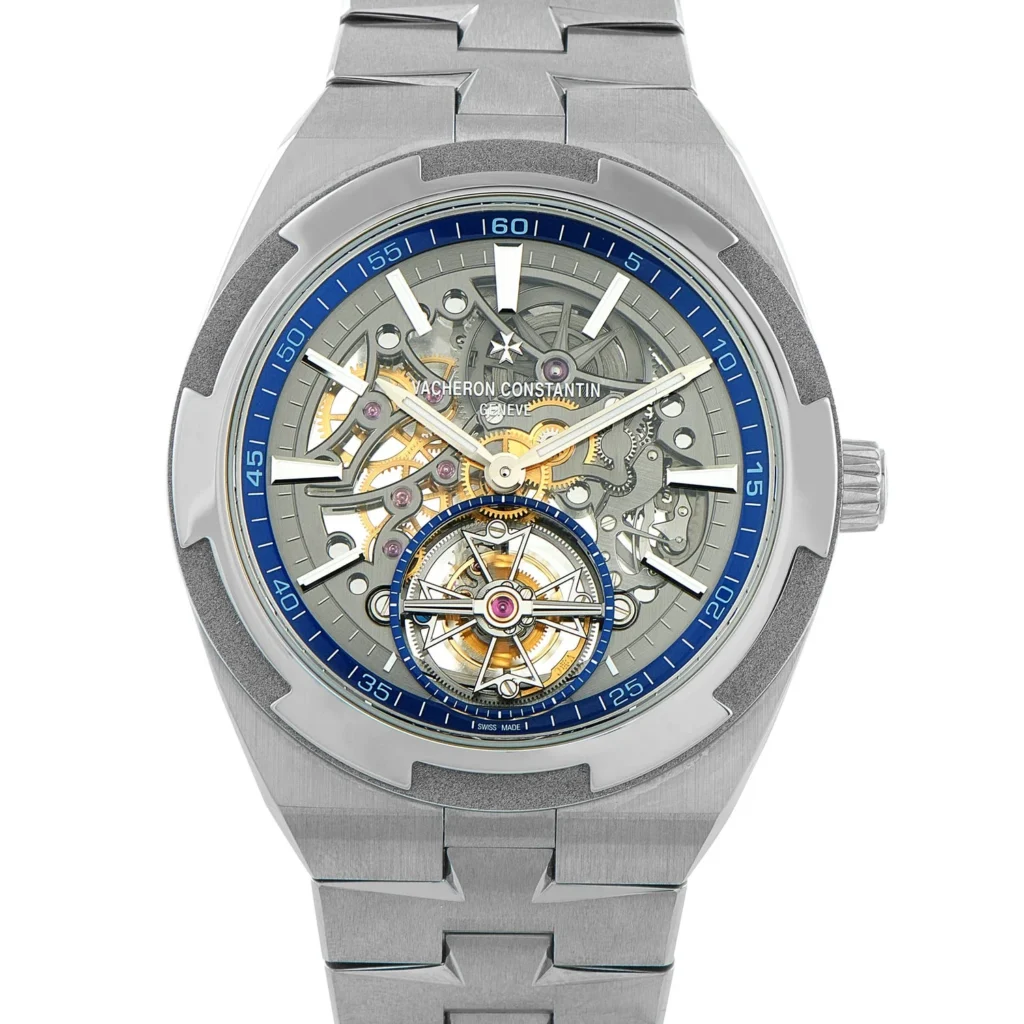
Vacheron Constantin Overseas Tourbillon Skeleton
Nanjiani, who has built his reputation on impeccable taste in watches, arrived with rose gold and a statement: a tourbillon measuring just 5.65 millimeters in thickness—almost impossibly thin. The cage is inspired by the brand’s Maltese cross logo. The kind of detail most people miss but collectors notice immediately. A watch that says, “I know what I’m wearing. Do you?”
Tourbillon
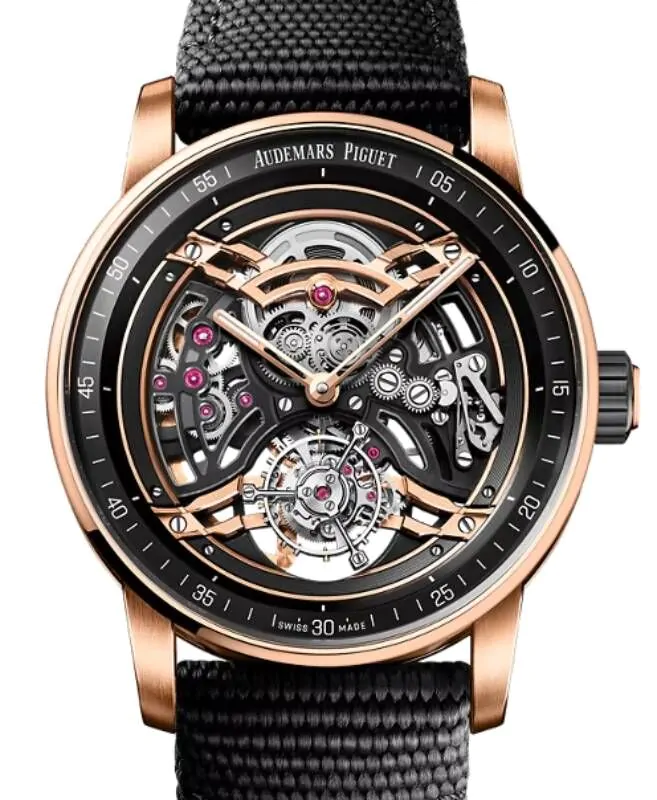
Audemars Piguet Code 11.59 Selfwinding Flying Tourbillon Openworked
A watch that demanded respect: the first of its kind in the Code 11.59 line since its 2019 debut. It’s the kind of timepiece that exists for people who believe complications aren’t excess; they’re craft. The tourbillon cage visible through the skeleton work isn’t decoration. It’s proof.
Haute Horlogerie
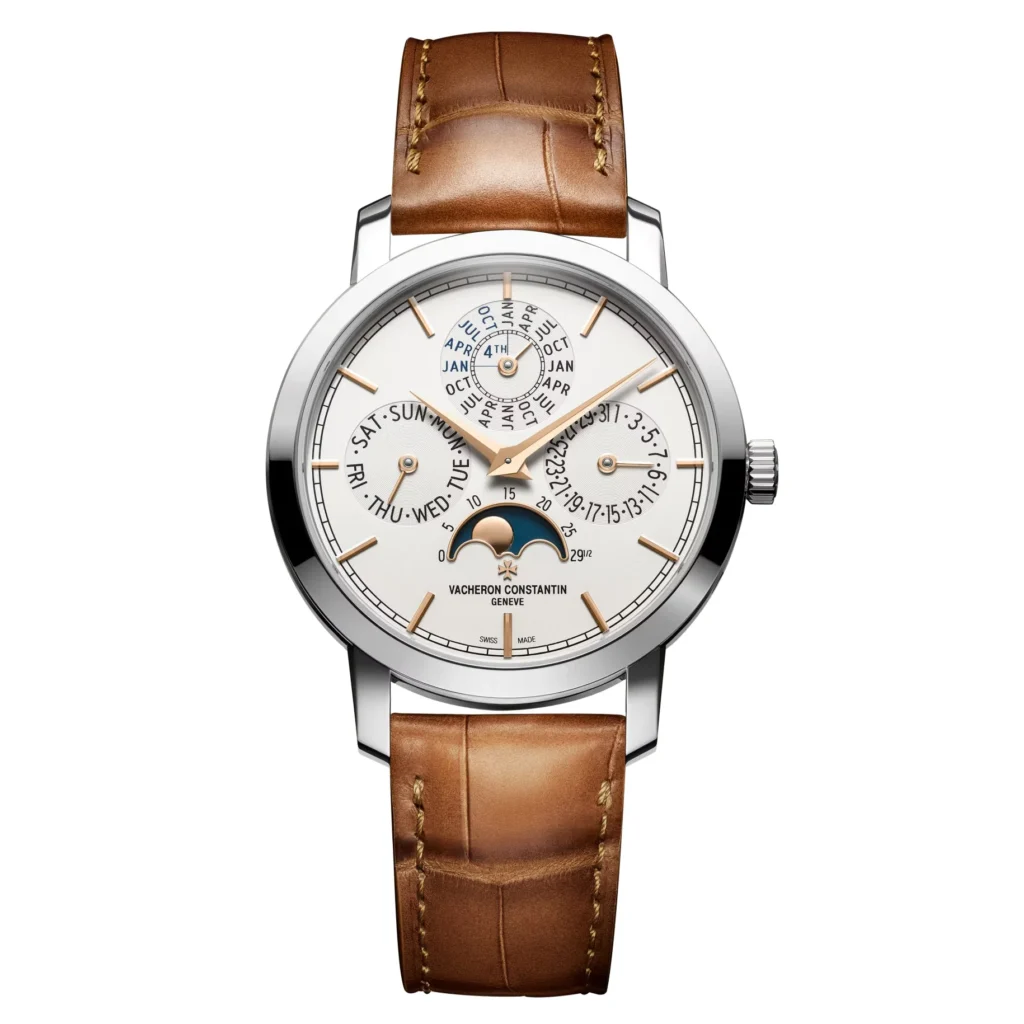
Vacheron Constantin Traditionnelle Perpetual Calendar Ultra Thin
A perpetual calendar and precision moon phase—a watch so serious it made the red carpet feel like an afterthought. Against chocolate suiting and silk, it wasn’t decoration. It was ballast. The kind of timepiece that says a person doesn’t dress for cameras; cameras adjust to them.
Perpetual Calendar
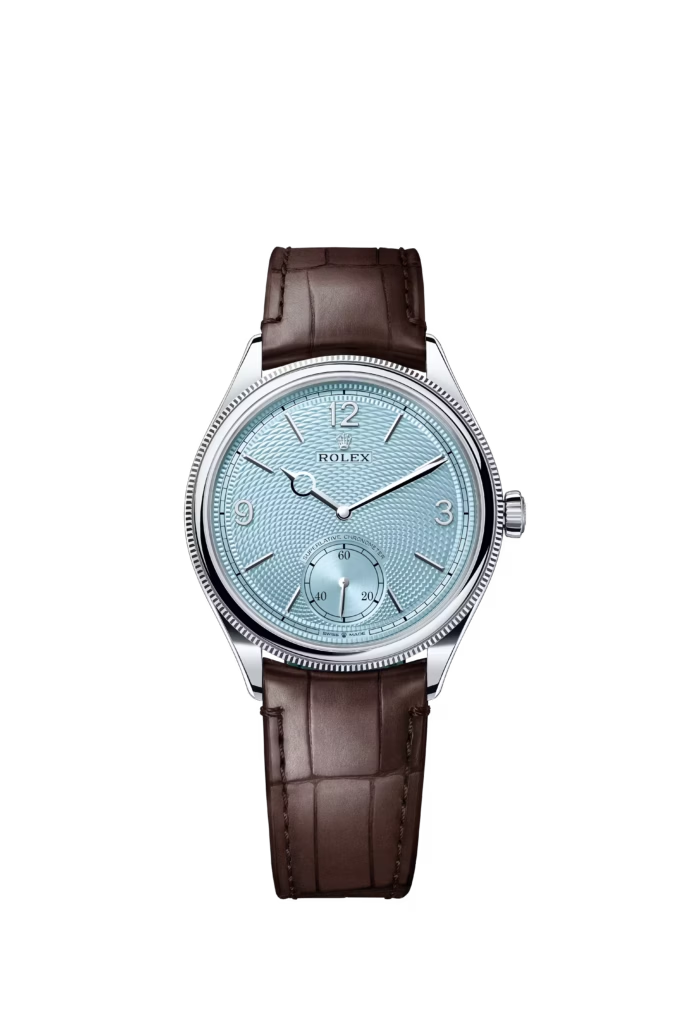
Rolex Perpetual 1908 Platinum
No rubies, no diamonds, no skeleton work—just platinum and precision. The choice of someone who understands that the most valuable watches are the ones that don’t need to prove their worth. Restraint as its own kind of luxury.
Platinum
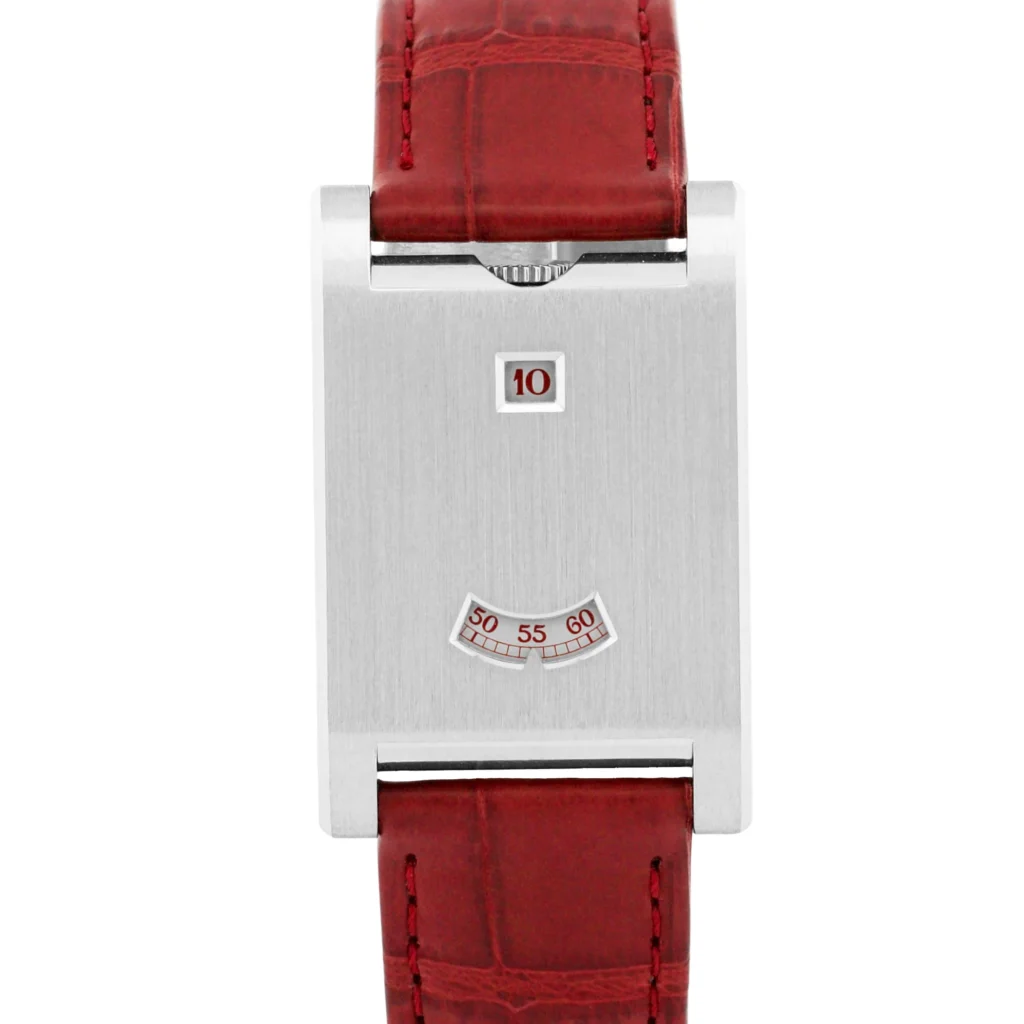
Cartier Tank à Guichets
The director who made Black Panther feel inevitable and Sinners unstoppable doesn’t do anything by accident. His choice: a platinum limited-edition archival revival, a resurrection of a 1930s design that Cartier reimagined last year.
Archival Revival
◆
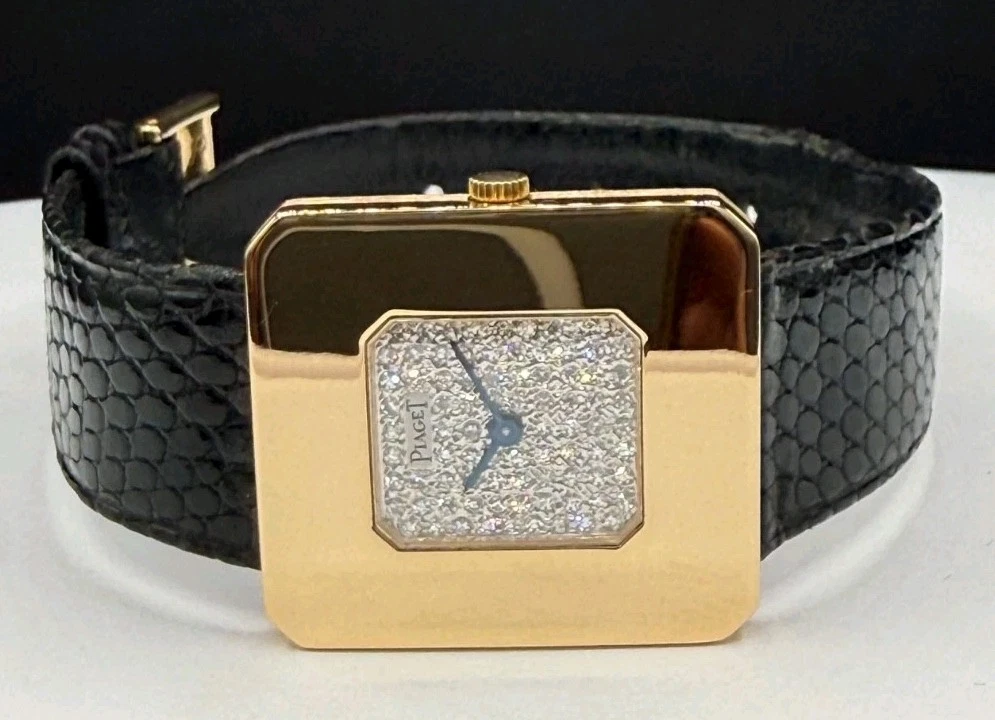
Vintage Piaget Protocole
He won Best Actor. He could have arrived in anything. Instead, he chose a Piaget from the 1970s—a vintage piece with a pavé diamond dial and a black leather strap that probably cost less than his suit. This is how collectors think. Not in terms of the newest or the loudest, but in terms of provenance and patina. He’s building a collection with intention, piece by piece, decade by decade.
Vintage
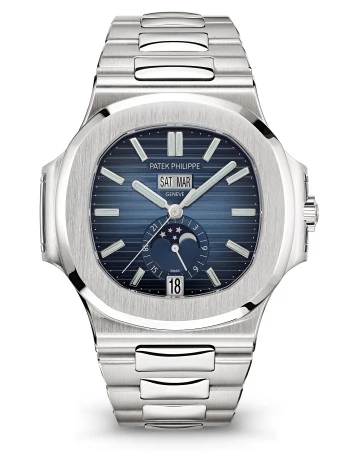
Patek Philippe Nautilus Ref. 5726/1A-014
A watch that works equally well in a tuxedo or with jeans. Annual calendar, moon phase, multiple apertures. The kind of watch collectors spend years on waiting lists to obtain. The Nautilus grows more valuable as you wear it—a wrist decoration that is simultaneously an asset.
Collector’s Grail
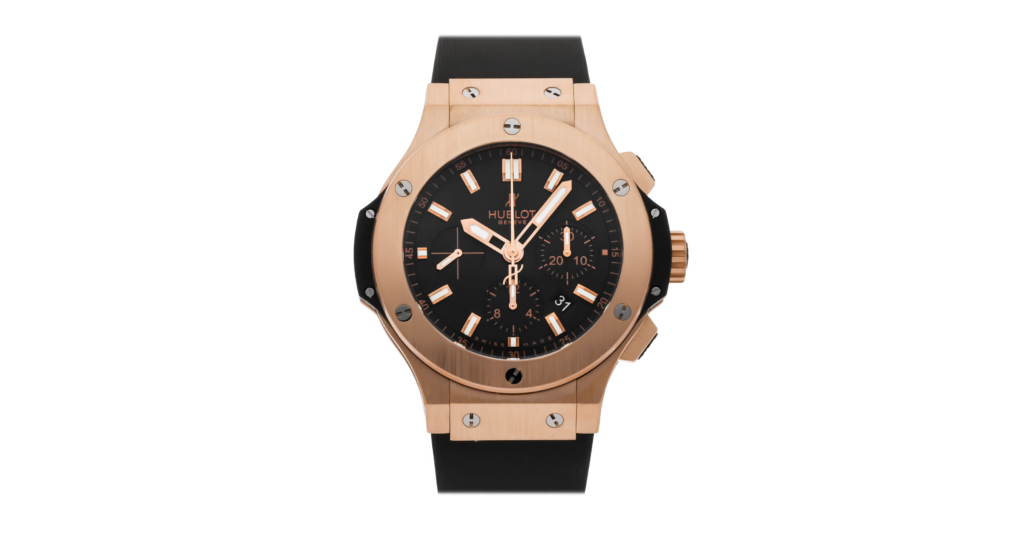
Hublot Classic Fusion Chronograph King Gold 42mm
In a burgundy tuxedo, Culkin doubled down with Hublot’s proprietary King Gold—warmer and richer than traditional gold, as if the metal itself had evolved. The matte black dial sat against it like two philosophies of luxury having an argument. On his wrist, against burgundy silk, it looked inevitable—not because it matched, but because the mismatch was the entire point.
Contemporary
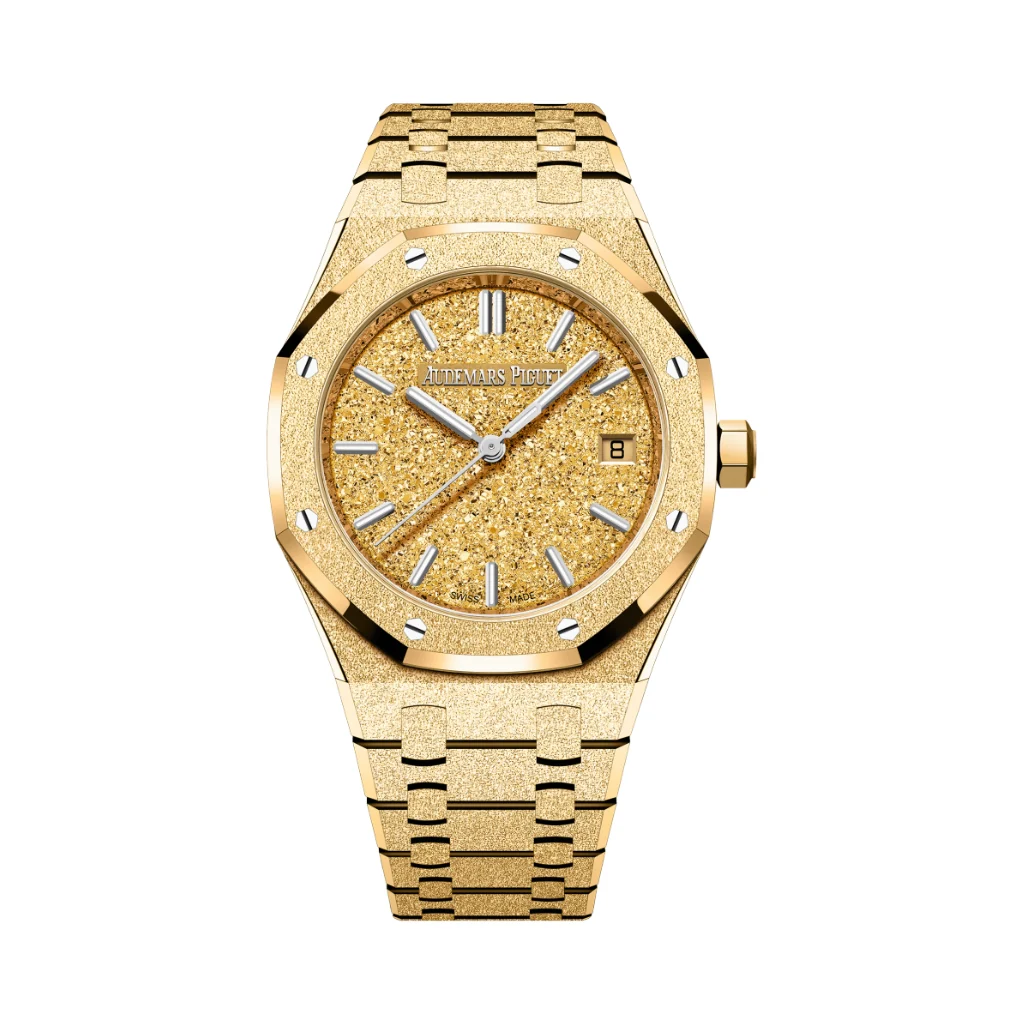
Audemars Piguet Royal Oak Frosted Gold Selfwinding
An exercise in restraint disguised as luxury. At 34mm, it’s understated. The hammered 18-carat yellow gold case develops a patina over time, each scratch a small autobiography. The “Crystal Sand” dial seems to shift depending on the light, refusing to be a single color.
Frosted Gold
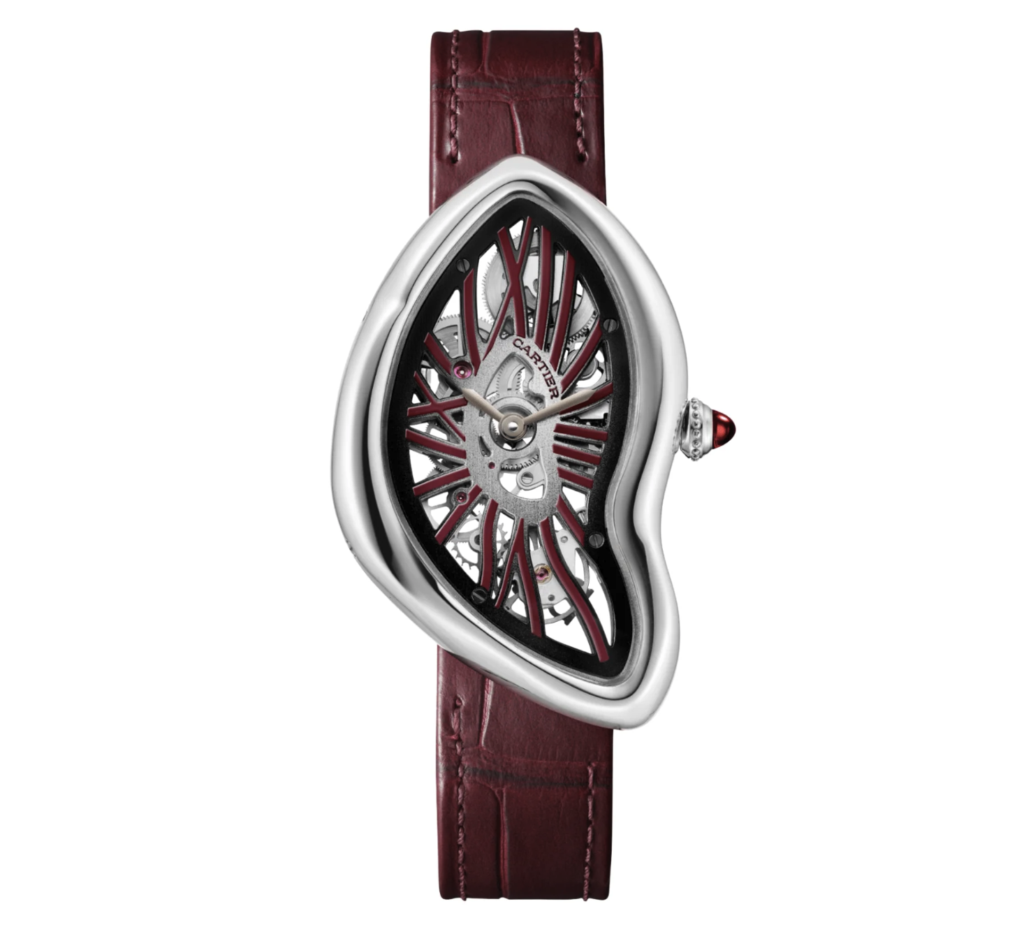
Cartier Crash Skeleton
On O’Leary’s wrist, it wasn’t eccentric. It was deliberate. It said: I don’t wear watches to look rich. I wear them because I understand something about the history, about what happens when a designer stops playing it safe.
Skeleton
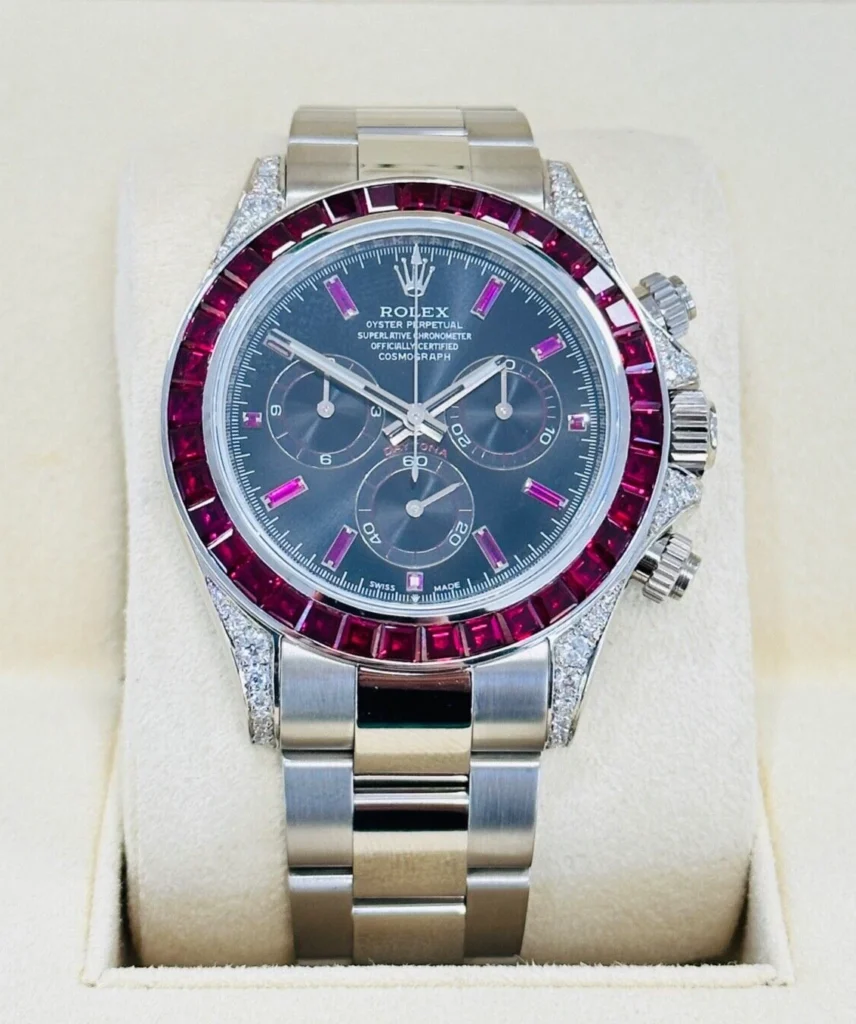
Rolex Daytona Ref. 116509
On his other wrist: 18-karat white gold with rubies on the bezel and diamonds scattered across the case like small, expensive promises. The kind of piece collectors wait years to obtain.
White Gold
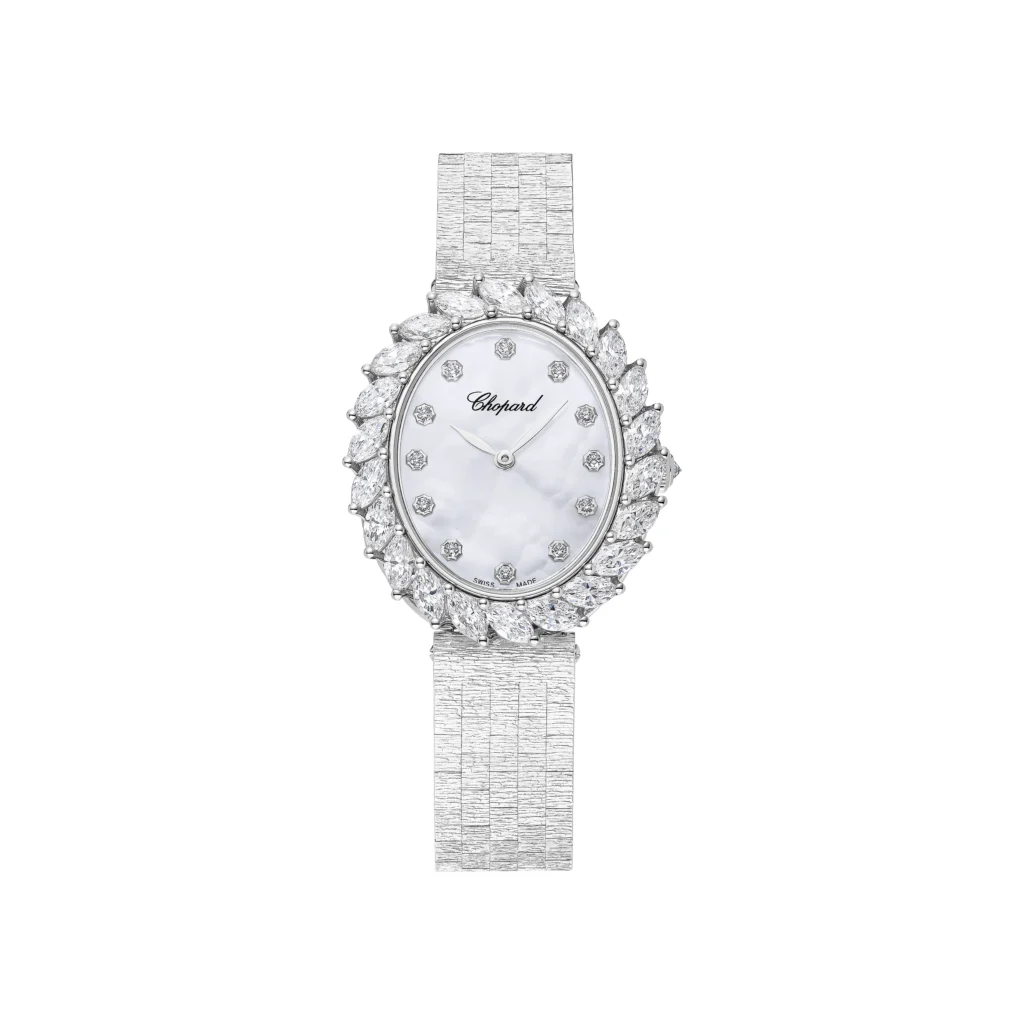
Chopard L’Heure du Diamant
Fully diamond-set, completing a statement impossible to ignore: diamond lapel pins, pearl earrings, and now a watch that the industry had always assumed belonged on a woman’s wrist. He made it look like the intentional, perfect choice.
Diamond-Set
Three Men. Three “Women’s” Watches.
One Correction.
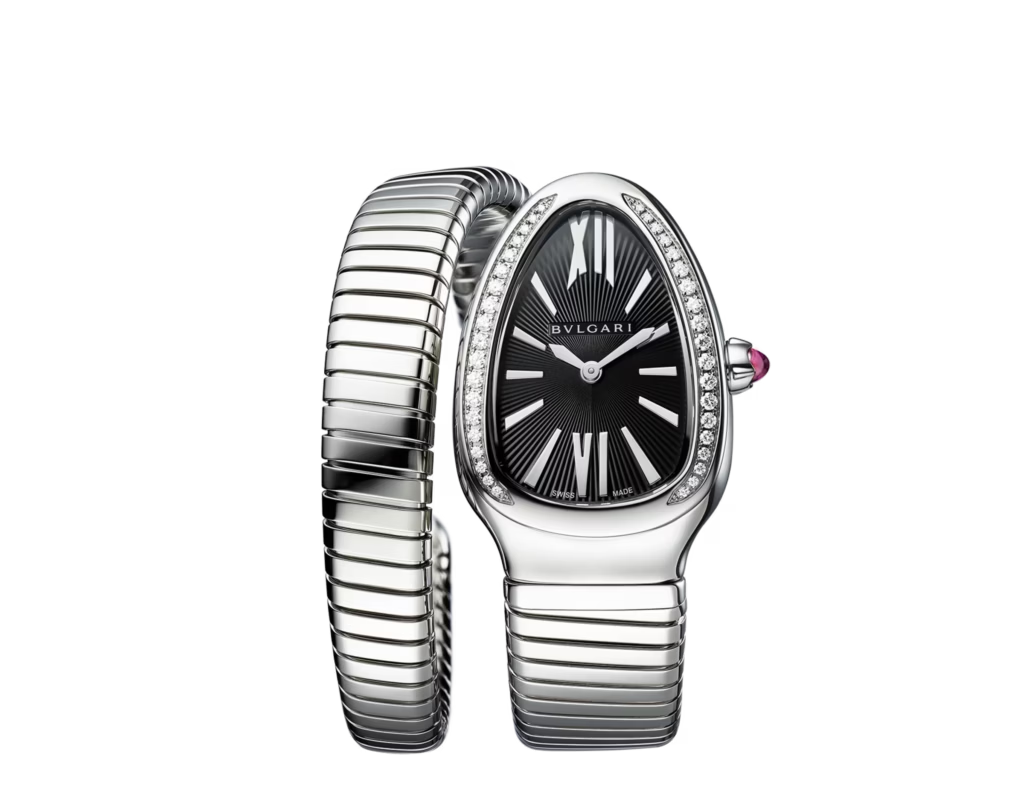
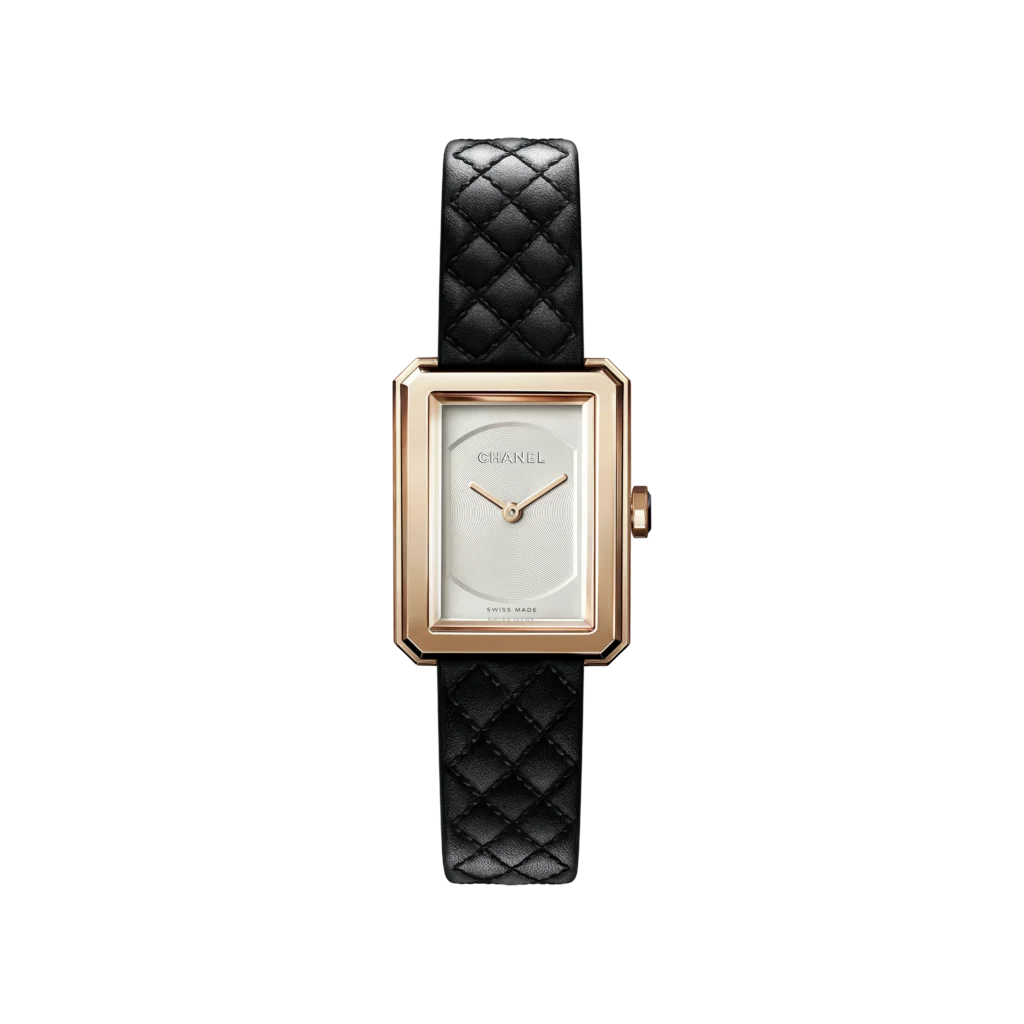
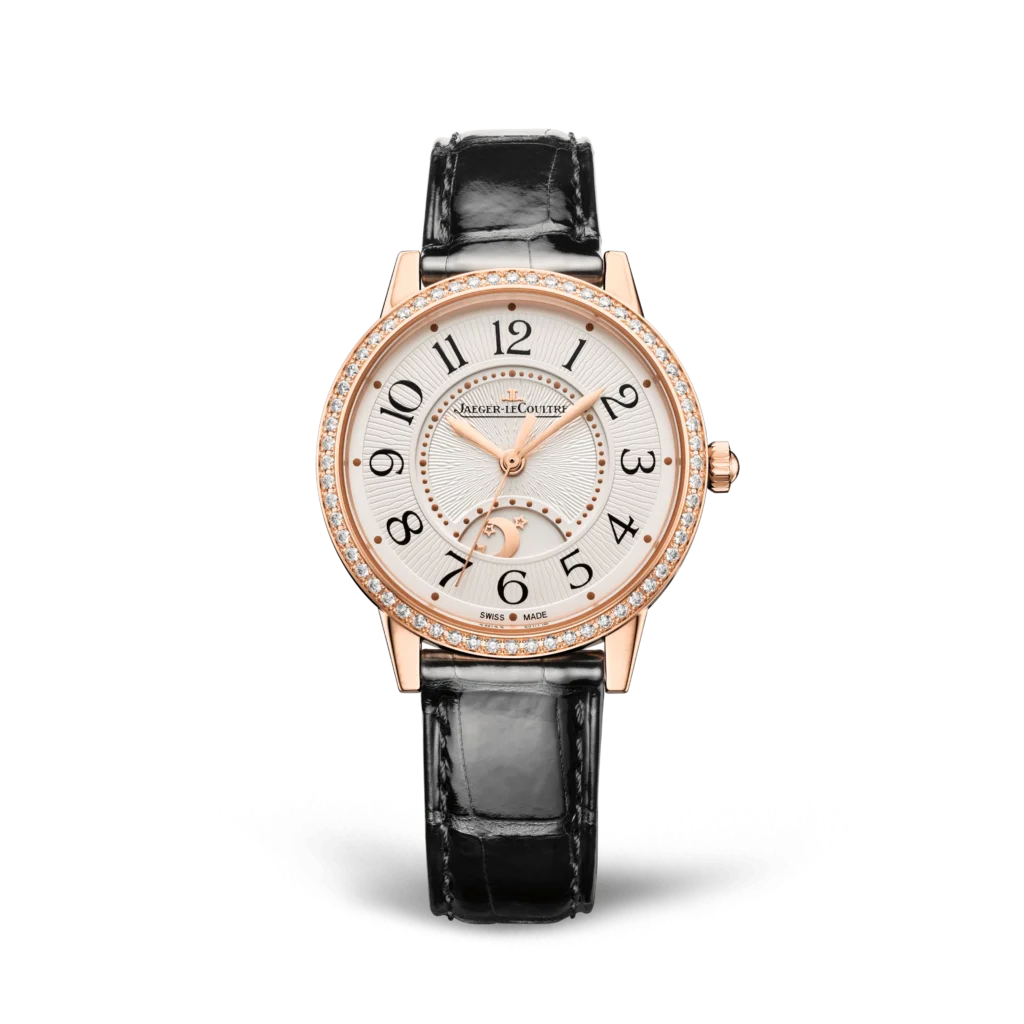
They didn’t wear these watches like they were trying something on, or being brave, or making a statement. They wore them like they’d always belonged there. Like the watch industry had simply been wrong about something fundamental, and they were here to correct the record.
These weren’t provocative choices. They were matter-of-fact. The watches work. The wrists work. The styling works. And that normalcy is what made them radical.
◆
The 2026 Oscars Made a Simple Argument About Watches, and About Who We Actually Are
The 2026 Academy Awards red carpet did something unusual this year: it told the truth about watches. For decades, maybe forever, the red carpet has operated on a kind of polite fiction. You wear a dress watch. It’s elegant, understated, forgettable. It says: I understand the rules. I will follow them. I will be invisible.
This year, almost nobody believed that anymore.
Timothée Chalamet arrived with an Urban Jürgensen UJ-2, a watch so mechanically complex that its complications seem less like features and more like a philosophical argument about what time actually is. Leonardo DiCaprio chose a platinum Rolex Perpetual 1908. Ryan Coogler wore an archival Cartier Tank à Guichets, and Michael B. Jordan showed up with a vintage Piaget from the 1970s, building a collection the way collectors have always built collections. With intention, with patience, with the understanding that a watch from fifty years ago carries weight in ways a new watch cannot.
But here’s where it gets interesting. Three men showed up wearing watches that the watch industry had always assumed belonged to women. And they didn’t wear them like they were trying something on, or being brave, or making a statement. They wore them like they’d always belonged there.
Which maybe it had been. Which maybe they were.
The era of the invisible dress watch isn’t dead. But the era where invisibility is mandatory? That’s officially over.
The real story wasn’t about any individual watch. It was about permission. Some collective understanding that you could arrive at the most important night of your professional life and actually, genuinely, be yourself. That your taste mattered. That your history mattered.
The luxury watch world has always operated on exclusivity and heritage, on the idea that certain watches belong in certain places, on certain wrists. The 2026 Oscars suggested something different: that a watch works on a wrist because the wearer decides it does. That categories are becoming less relevant than authenticity. That the real luxury isn’t in owning the newest or the most expensive. It’s in understanding what you love and having the courage to wear it.
Great Watches Tell Great Stories
Explore curated timepieces from Rolex to Cartier to Audemars Piguet—for collectors who understand.