Case Size and Wearability: Subtle Changes, Big Impact
At a quick glance, many people assume these two Submariners are basically twins. Side by side on the wrist, though, the differences start to show themselves.
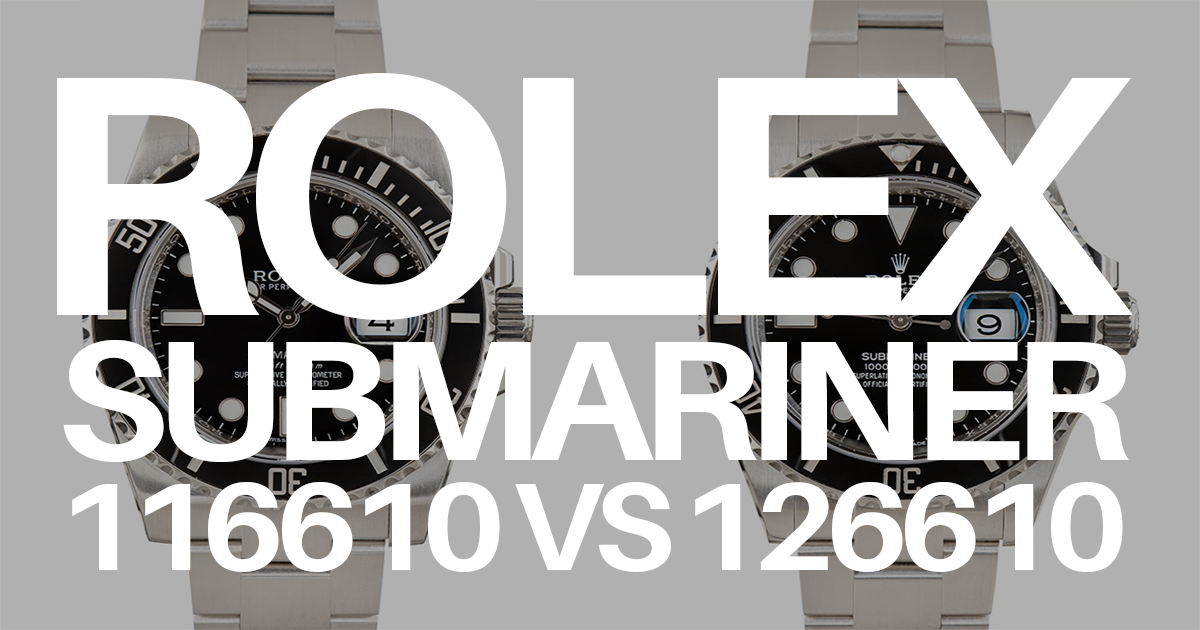
The 116610 measures 40 mm. The 126610 moves to 41 mm. One millimeter does not sound dramatic. Truthfully, the diameter bump is not the real story anyway. Rolex reshaped the case and trimmed the lugs. That is where the feel changes.
In real-world wear, the newer model often sits more naturally on a wide range of wrists. Not dramatically better. Just… more composed. Seasoned collectors usually notice it within a few minutes.
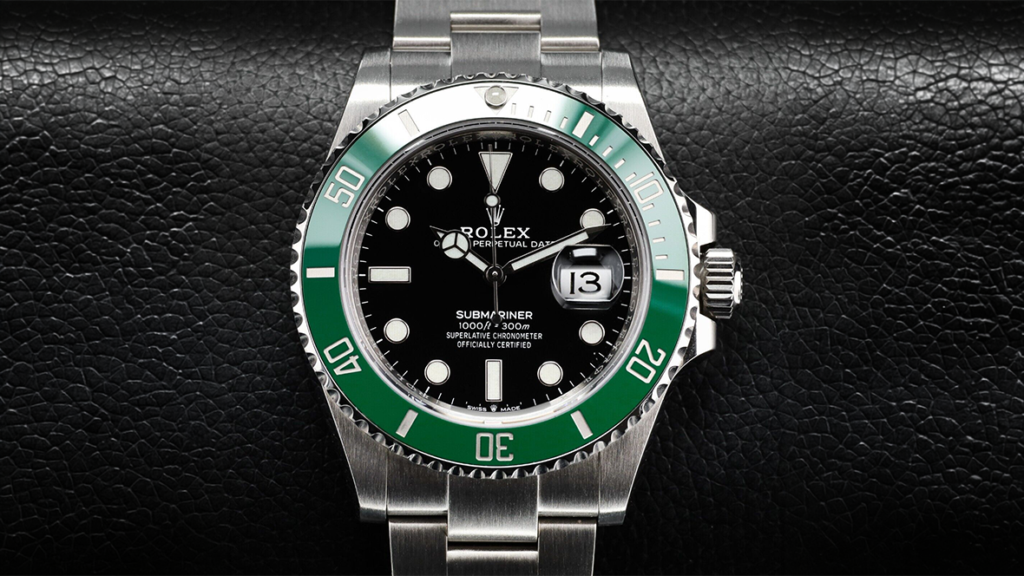
Why the 126610 Feels Different
The narrower lugs paired with the slightly wider bracelet on the 126610 create a smoother visual line from case to clasp. Most people miss this in photos. On the wrist, it becomes obvious fairly quickly.
Collectors I’ve spoken with often describe the newer watch as more balanced, especially on medium wrist sizes. It feels less blocky. Less slab-heavy.
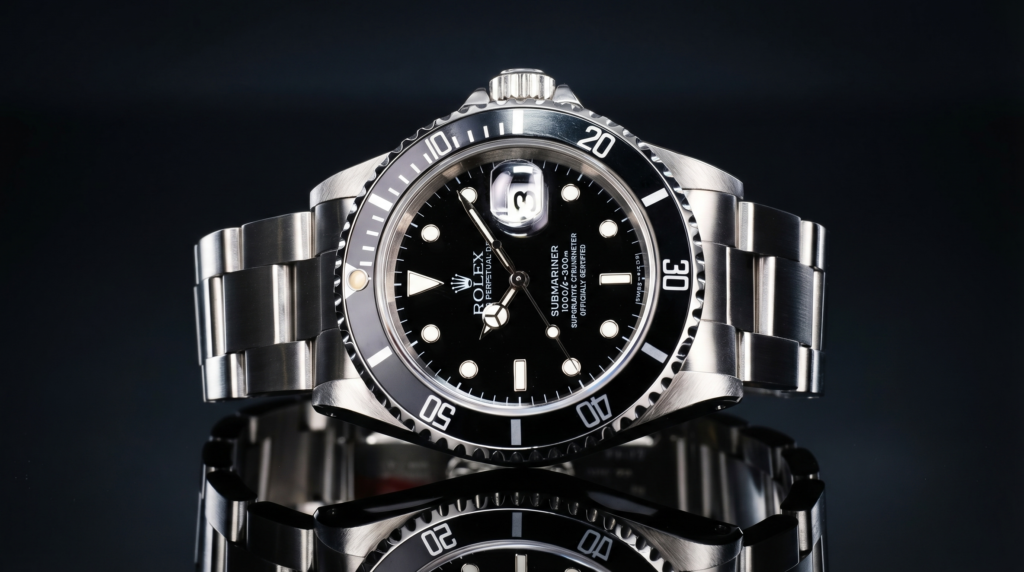
The 116610, on the other hand, fully embraces the bold maxi-case look that defined the 2010s. Some buyers still prefer that presence. Others feel it wears a bit chunky compared with earlier Submariners.
In practice, fit tends to matter more than the raw numbers.
Real Wrist Experience
Here is where things get practical. On smaller wrists, the 126610 usually feels easier to live with day after day. The bracelet taper helps it settle. It shifts less during long wear.
The 116610 still wears comfortably. No real complaints there. But its squarer case gives off a more modern, tool-forward personality. Some buyers actively want that sharper edge.
So is the newer case better across the board? For many wrists, yes. For every wrist, probably not.
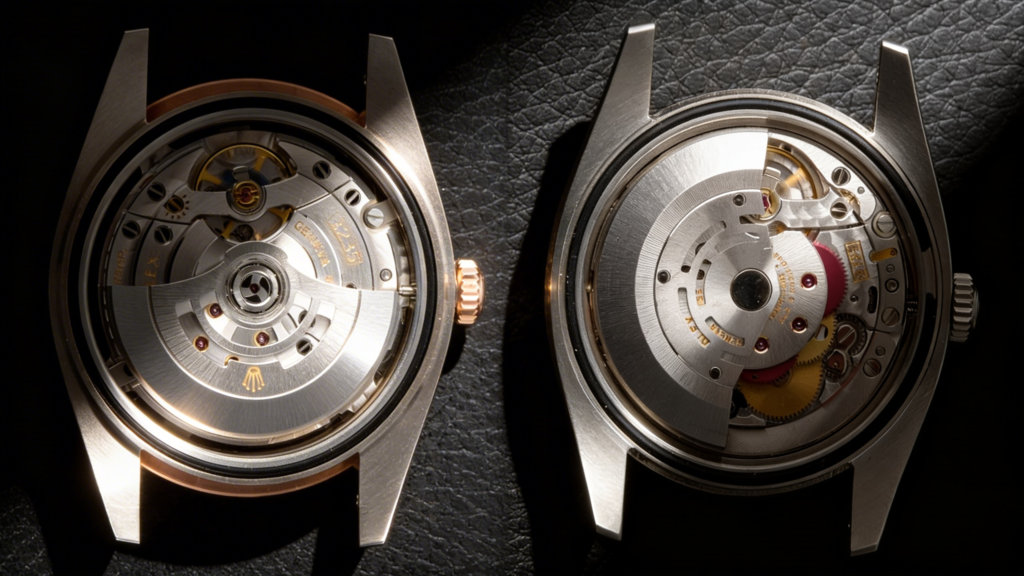
Movement Upgrades: Caliber 3135 vs 3235
This is the mechanical core of the Rolex Submariner 116610 vs 126610 comparison, and honestly, it is where Rolex made its most meaningful progress.
The 116610 runs the Caliber 3135. It earned its reputation slowly, over decades. Reliable. Durable. Straightforward to service. Most watchmakers trust it without hesitation.
The 126610 introduces the Caliber 3235. This was not a light refresh. Rolex reworked a substantial portion of the movement.
What Actually Improved?
The headline upgrade is the power reserve. The 3135 offers roughly 48 hours. The 3235 stretches that to around 70 hours. In everyday terms, you can take the watch off Friday evening and pick it up Monday morning without resetting it.
Most people do not think this matters until they live with it. Then it starts to make sense.
Rolex also introduced the Chronergy escapement: Rolex Chronergy Escapement Efficiency Data.
Accuracy remains excellent on both movements. The newer caliber, however, was designed with longer service intervals and improved shock resistance in mind.
Should Movement Alone Decide?
It depends on how you actually wear your watches. If you rotate pieces throughout the week, the longer power reserve on the 126610 quickly proves its value.
If you wear one watch almost every day, the difference feels smaller.
From a technical standpoint, though, the 3235 is clearly the more advanced movement. That part is hard to dispute.
Dial and Bracelet Changes You Might Miss
Rolex rarely takes big aesthetic risks with the Submariner. That pattern holds here. Still, there are quiet refinements if you look closely.
At first glance, both watches show the familiar black dial, Chromalight lume, and Mercedes hands.
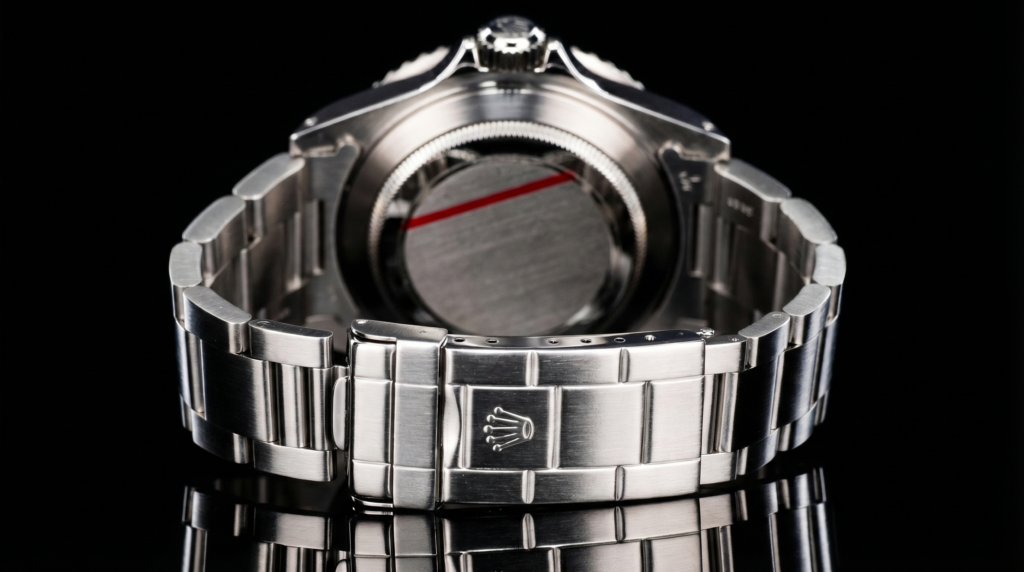
Bracelet and Clasp Updates
The 126610 uses a slightly wider bracelet with improved taper. It gives the watch a more cohesive flow and, for many wearers, better comfort over long days. The watch feels less top-heavy. More planted.
The Glidelock clasp remains excellent on both references. Rolex wisely left it mostly alone.
Small changes here tend to matter more over time than buyers expect.
Visual Proportions
Because of the slimmer lugs and bracelet tweaks, the 126610 often looks more balanced to many eyes. Not everyone agrees, but the trend shows up repeatedly among enthusiasts.
The dial itself stays very close to the previous generation. That is not laziness. It is Rolex exercising restraint.
Price and Value
This is where emotion usually meets reality.
The discontinued 116610 still trades strongly on the secondary market. Many collectors appreciate that it marks the end of the 40 mm maxi-case era. There is a sense of finality there that resonates with certain buyers.
The 126610 generally commands higher pricing thanks to the updated movement and its place in the current catalog. Demand remains steady.
Data from the Global Luxury Watch Market, it continues to show strong long-term value retention for modern Rolex sports models.
Which Holds Value Better?
Short answer. Both hold up well.
The 116610 tends to attract buyers who want the final example of its generation. The 126610 appeals more to those who want the newest technical package and improved ergonomics.
Markets shift. Preferences change. Surprises happen.
My Honest Opinion
As a collector-focused piece, the older reference has a compelling angle.
For daily wear and long-term practicality, the newer watch usually makes more sense.
Who Should Choose the 116610
The older Submariner is far from obsolete. In certain situations, it is exactly the right pick.
If you genuinely like the maxi-case aesthetic, the 116610 delivers that bold, modern Rolex look better than the newer reference. Some collectors specifically seek it out for that reason.
There is also the service familiarity factor. The Caliber 3135 has decades of history behind it. Parts availability remains strong, and most experienced watchmakers know it thoroughly. According to experts, Mechanical Watches contain many moving parts that experience friction and wear, so they require periodic cleaning, lubrication, and calibration by a skilled watchmaker to maintain accuracy and reliability, well-established movements often remain simpler and more cost-effective to maintain long term.
Pricing can occasionally work in its favor too. Depending on market timing, the 116610 sometimes appears at slightly more approachable levels than the newer model.
For buyers who want the closing chapter of the maxi-case era, it still makes a convincing case.
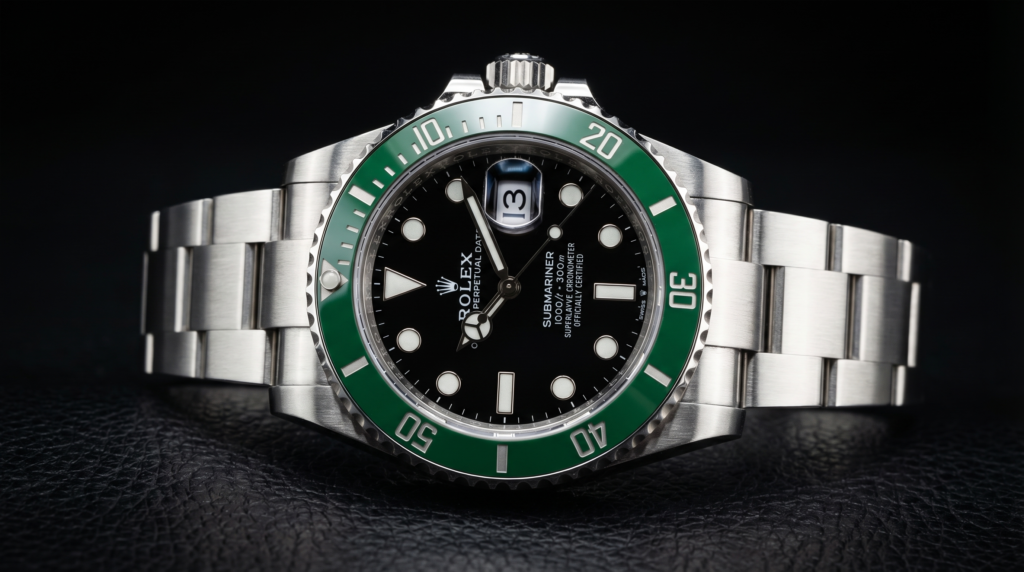
Who Should Choose the 126610
Viewed from the other side, the 126610 makes a strong argument of its own.
If you want the most refined modern Submariner experience, the updated proportions alone create a difference you can actually feel. Many buyers notice it within minutes of trying both references.
The 70-hour power reserve tends to become more useful than expected, especially for owners who rotate watches.
There is also the forward-looking angle. Rolex rarely moves backward with its core sports models. The Caliber 3235 reflects where the brand is heading technically. For long-term ownership, that matters more than some buyers initially think.
In simple terms, the 126610 feels like careful evolution rather than a dramatic reinvention.
| Feature | Rolex Submariner 116610 | Rolex Submariner 126610 |
| Case Size | 40 mm | 41 mm with slimmer lugs |
| Movement | Caliber 3135 | Caliber 3235 (newer tech) |
| Power Reserve | 48 hours | 70 hours |
| Bracelet Taper | Maxi-case style | Smoother taper |
| Market Value Position | Lower (collector appeal) | Higher (modern demand) |
Real World Ownership: What Buyers Actually Notice After Six Months
Spec sheets tell part of the story. Living with the watch fills in the rest.
After the early excitement fades, owners usually start noticing comfort over long days. Not quick wrist checks. Real wear. Eight or ten hours at a stretch. This is where the refined case of the 126610 tends to stand out.
The slimmer lugs help it sit flatter on many wrists. It moves less. It feels more settled during everyday activity.
That said, some 116610 owners genuinely enjoy the extra wrist presence. It feels purposeful. Slightly more tool-like. For certain buyers, that character is exactly the draw.
Daily Wear Practicality
Most people do not think about desk work, driving, or crowded spaces when buying a Submariner. They probably should.
Owners who moved from the 116610 to the newer reference often mention the bracelet taper on the 126610. It simply feels more natural. Less top-heavy. Less prone to shifting during the day. The change is subtle but noticeable if you pay attention.
Durability between the two remains essentially equal. Same Cerachrom bezel. Same Oystersteel toughness. Either watch handles daily life without much drama.
Long Term Satisfaction Trends
An interesting pattern shows up over time. Many 126610 owners report higher day-to-day satisfaction because of the improved ergonomics and extended power reserve.
Meanwhile, 116610 owners often develop a strong emotional attachment to the maxi-case generation. There is a sense of owning a closing chapter in Submariner design.
Both watches deliver the core Submariner experience. Water resistance is identical. Build quality remains excellent. Legibility stays superb.
Still, speaking plainly, the newer model tends to edge ahead for pure everyday usability.
The Psychology of Choosing Between Them
Buying a Submariner is rarely just logical. There is almost always an emotional layer involved.
Some buyers want the newest, most refined version available. Others want the model that defined a specific era of Rolex design. Neither approach is wrong.
If you are still undecided, try both references in person if possible. Photos flatten the differences. Wrist feel does not.
Often, the right choice becomes obvious the moment you close the clasp.
Final Verdict
After spending real time looking at both pieces side by side, the Rolex Submariner 116610 vs 126610 debate starts to feel less like a right-or-wrong situation and more like a question of priorities.
The 116610 is still a seriously strong watch. It’s tough, familiar, and closely tied to a very specific era of modern Rolex design. For collectors who appreciate the maxi-case look, that alone can be reason enough to choose it. There’s a certain finality to it that some buyers quietly value.
The 126610, though, tends to make more sense for everyday ownership. The proportions are a bit more refined, the longer power reserve is genuinely useful in normal life, and the overall wear just feels slightly more sorted.
If budget isn’t the main constraint and daily wear is the goal, most people will probably lean toward the newer model after trying both.
The right watch is out there.
We’ll help you find it — or sell it.
Browse our curated selection of pre-owned luxury timepieces or get a free valuation on a watch you’re ready to pass on. Check us out here.