If you’re reading this, chances are you’re not just casually browsing watches. You’re circling a Rolex Daytona. Maybe you’ve already checked prices and felt that slight shock. Totally normal. This Publish Rolex Daytona Buying Guide is here to cut through the noise and help you make a decision you won’t regret later.
Because here’s the reality. Buying a Daytona isn’t straightforward. Supply is tight. Prices don’t always make sense. And if you move too fast, you can lose serious money. I’ve seen it happen more than once.
So instead of guessing, let’s walk through what actually matters. No fluff. Just the things people wish they knew earlier.
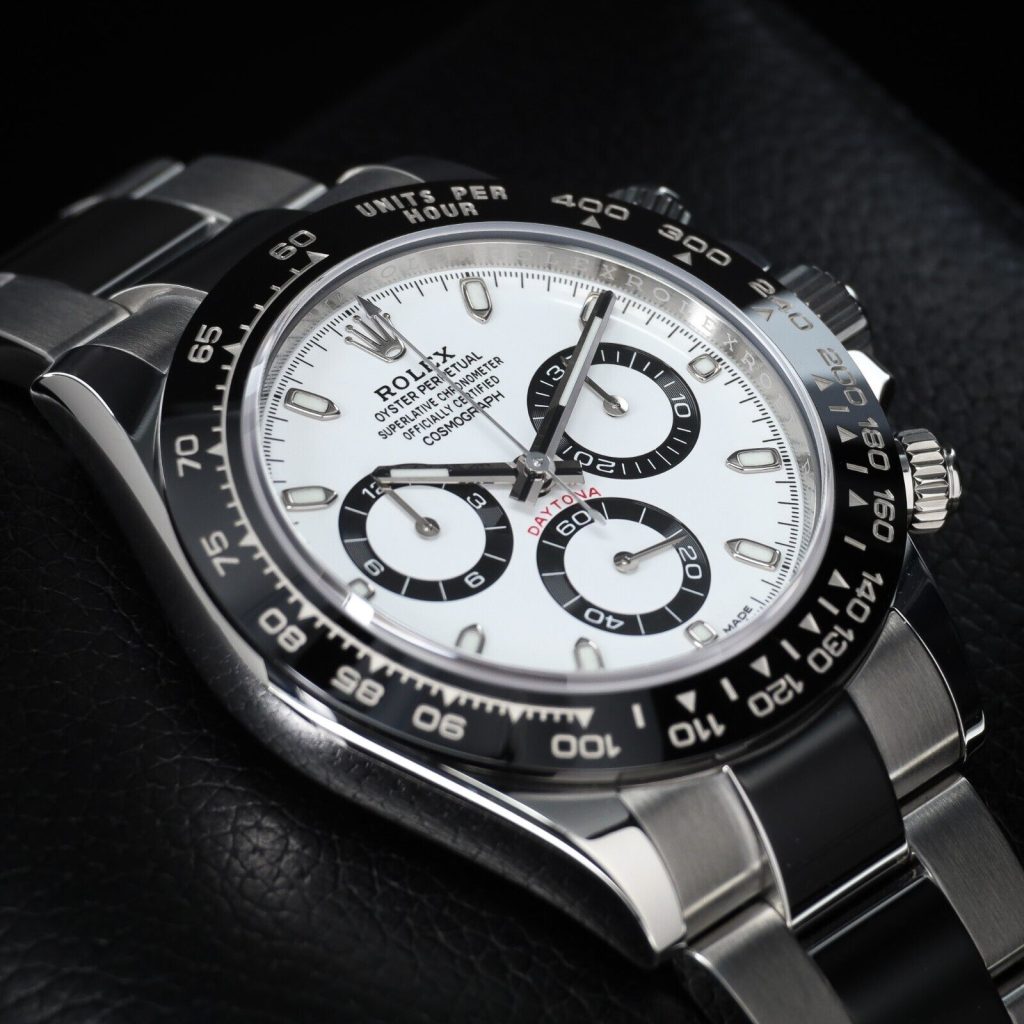
1. Why the Publish Rolex Daytona Buying Guide Actually Matters
A lot of people underestimate this part. They assume a Rolex is always a safe buy. That’s not always true.
The Daytona sits in a weird spot. It’s both highly desirable and frustratingly hard to get at retail. Walk into a dealer and ask for one, and you’ll likely get a polite smile followed by “we’ll let you know.” Translation: don’t expect it anytime soon.
That’s where most buyers pivot to the resale market. And that’s where things can go sideways.
Prices vary wildly. Two watches that look identical on the surface can differ by thousands. Papers missing. Parts swapped. Condition overstated. It’s not rare. It’s common.
Most people don’t realize how easy it is to overpay until after the fact. By then, it’s too late.
Preparation isn’t optional here. It’s what separates a smart buy from an expensive lesson.
2. Publish Rolex Daytona Buying Guide: Models and Variations Explained
This is where things start to branch out quickly. Not all Daytonas behave the same in the market.
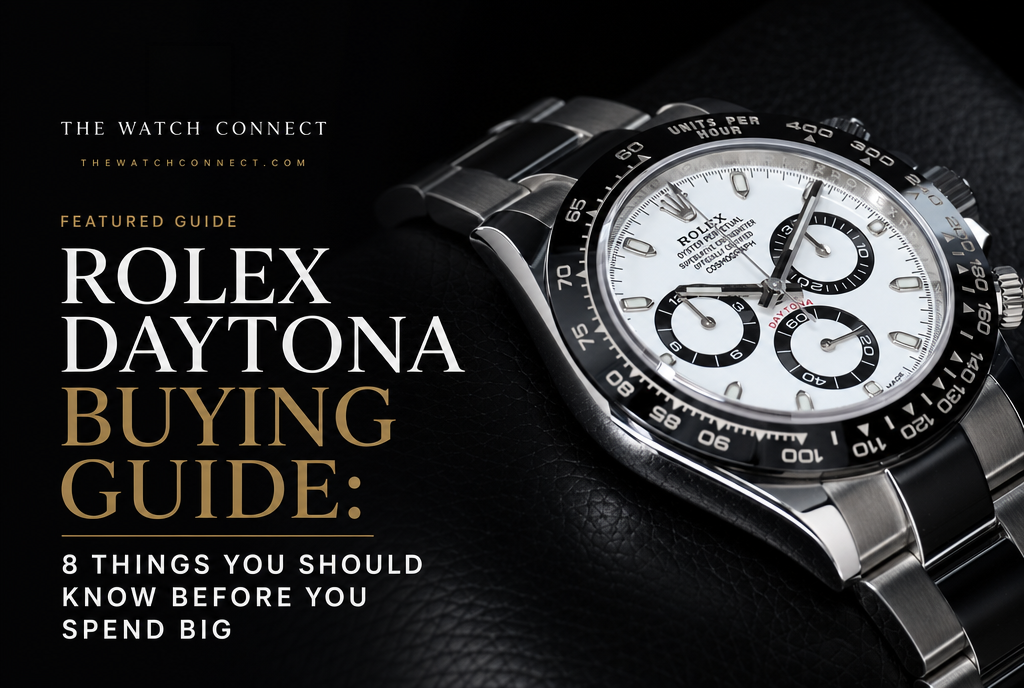
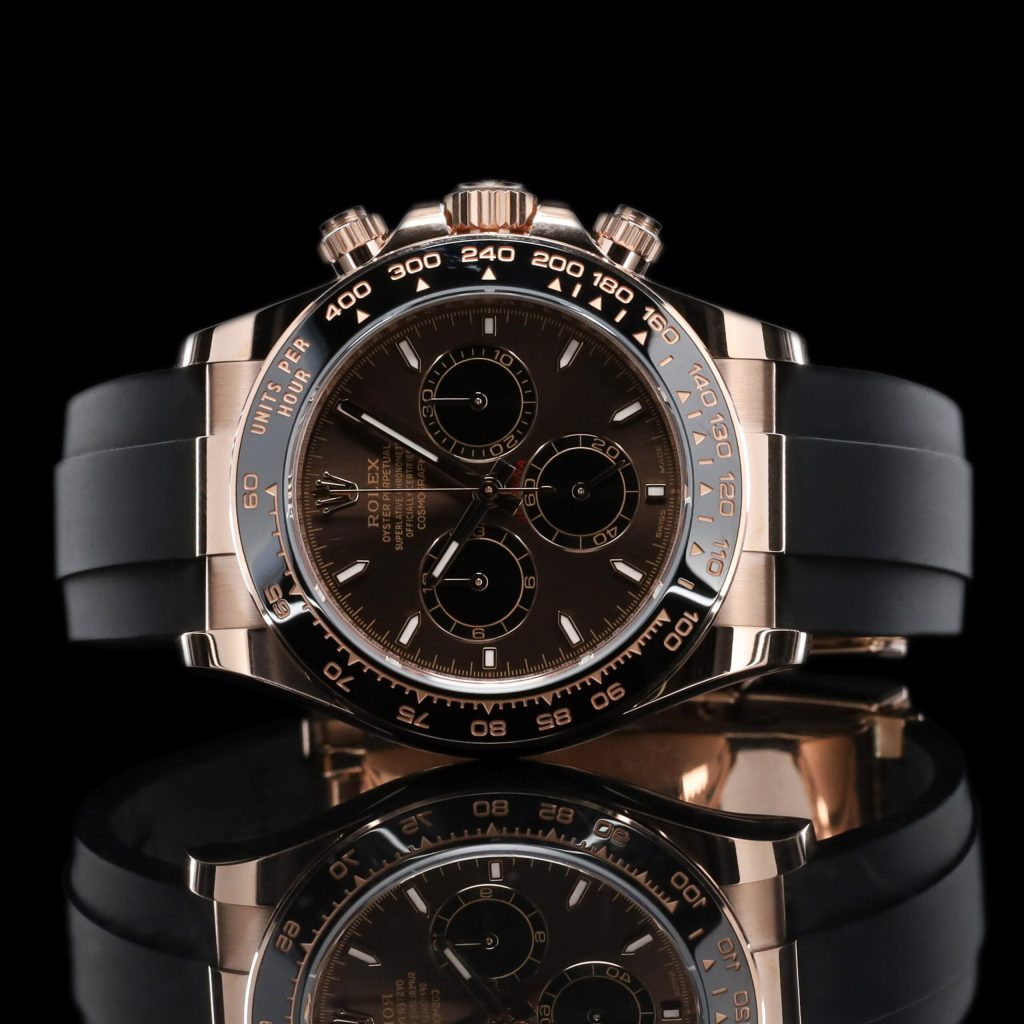
Modern steel models tend to get the most attention. Ceramic bezel. Clean dial. These are the ones you’ll see selling above retail again and again.
Then you’ve got precious metal versions. Gold. Platinum. Heavier on the wrist and on the price tag. Oddly enough, they’re often easier to find. Demand just isn’t as intense.
If you want to see how values have actually moved over time, this detailed breakdown of historical Rolex Daytona price trends shows how different models have performed across changing market cycles: historical Rolex Daytona price trends.
Vintage Daytonas sit in a different category entirely. This is collector territory. Rare dials, aging details, provenance. Sometimes the story matters as much as the watch itself.
Here’s where expectations usually break down. People assume more expensive means more valuable later. Not always. Steel often outperforms gold in resale. It feels counterintuitive, but that’s the market.
So what should you choose? Depends on your goal. Wearability. Investment. Collecting. Each leads you somewhere different.
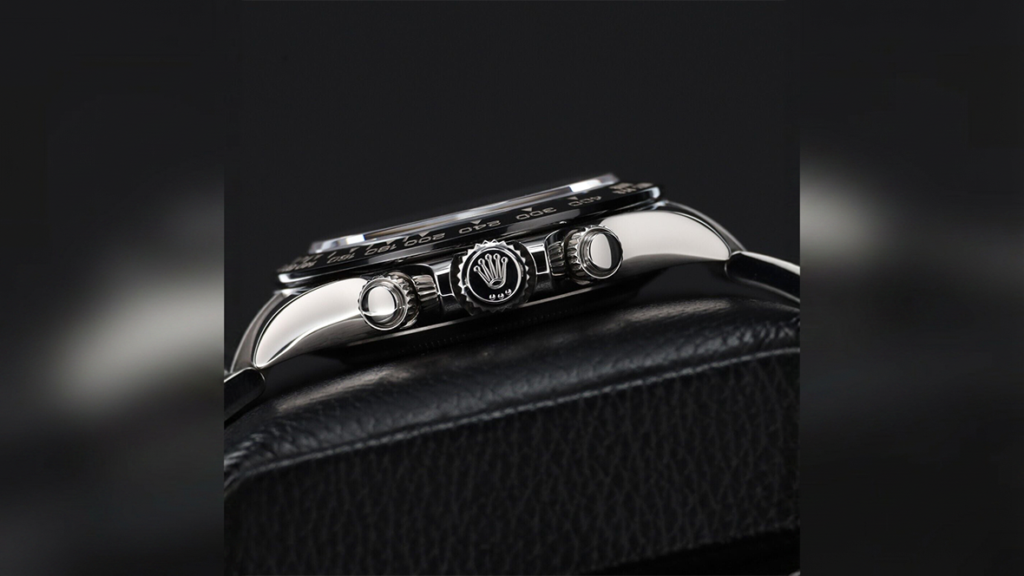
3. How Much Should You Expect to Pay for a Daytona?
This is the part that tends to catch people off guard.
Retail pricing gives you one number. The real market gives you another. And the gap between those two can be significant.
Steel Daytonas? Often double retail. Sometimes more, depending on the reference and timing.
For a broader view of demand, this luxury watch market data shows how global interest continues to grow, with rising consumer spending and strong demand for high-end timepieces driving long-term market expansion: luxury watch market demand data.
Precious metal versions behave differently. They usually hover closer to retail. Occasionally below. It depends on the broader market mood.
Vintage pricing is harder to pin down. Condition, rarity, original parts. All of it matters. Two watches from the same year can have very different values.
Here’s something people don’t factor in enough. The extra costs. Servicing. Insurance. Authentication. They add up quietly.
Before you buy, ask yourself a simple question. Are you wearing this daily, or are you treating it like an asset? Your answer changes the budget more than you think.
4. Publish Rolex Daytona Buying Guide: Where to Buy Safely

This part is less glamorous but arguably more important.
You’ve got three main paths. Authorized dealers, gray market dealers, and private sellers. Each comes with trade-offs.
Authorized dealers are the cleanest option. Brand new watch. Full warranty. Zero doubt about authenticity. The catch is the wait. Sometimes long. Sometimes indefinite.
Gray market dealers fill that gap. They move inventory faster. You pay a premium, but you actually get the watch.
Private sellers are where things get unpredictable. Sometimes you’ll find a good deal. Other times, not so much. Missing documents. Questionable history. It happens.
Gray market dealers fill that gap. They move inventory faster. You pay a premium, but you actually get the watch. If you’re not fully clear on how this space works, it’s worth stepping back for a second, because pricing, sourcing, and risk can vary more than most expect: understand how the grey market Rolex system works.
If you want a more technical breakdown, these watch authentication best practices outline how experts verify everything from serial numbers to movement accuracy and documentation before confirming a watch is genuine: watch authentication best practices.
In practice, newer buyers tend to underestimate the risk here. If you don’t know exactly what to check, it’s easy to miss something important.
If there’s one conservative move that usually pays off, it’s this. Buy from someone reputable, even if it costs more upfront. It reduces headaches later.
5. How to Spot a Fake or Problematic Daytona
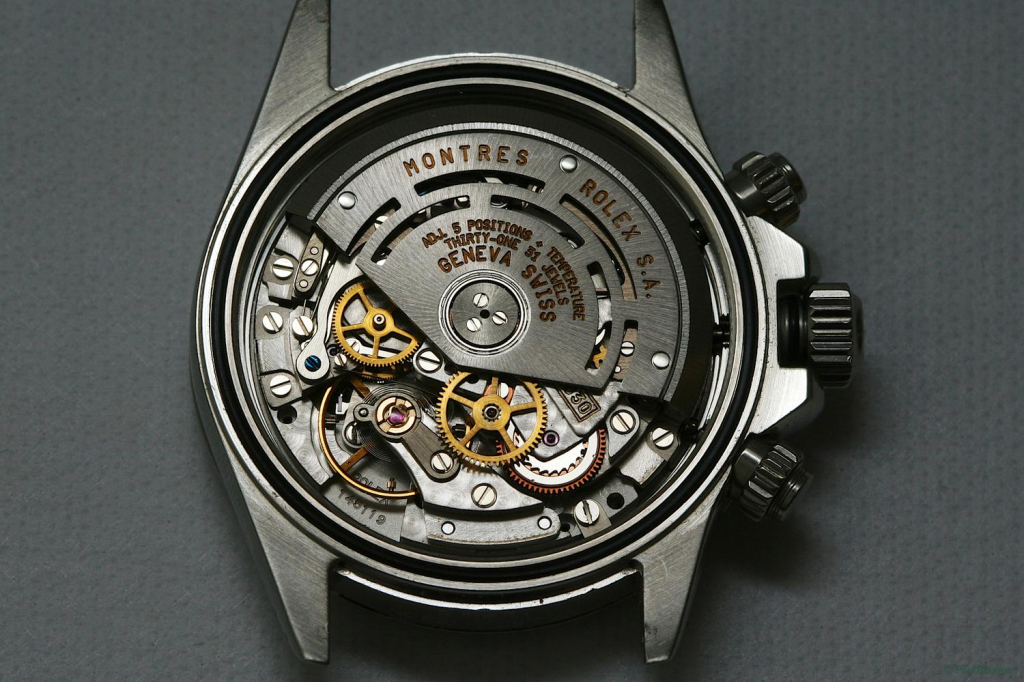
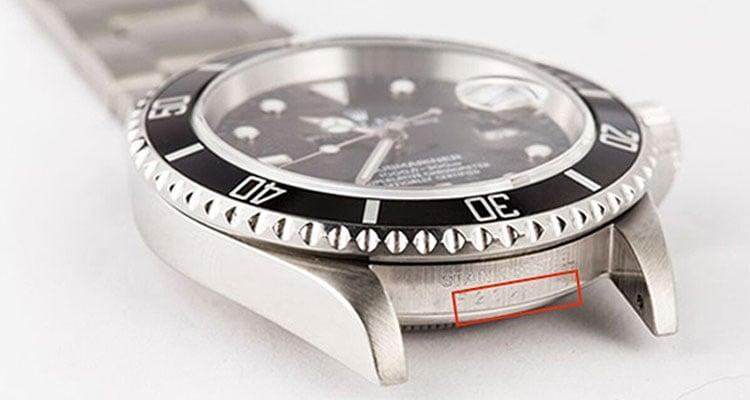
Counterfeits have improved. That’s just the reality now.
Some are obvious. Others aren’t. And the dangerous ones sit right in the middle. Good enough to fool someone who’s not looking closely.
Start simple. Weight and feel. A real Daytona has presence. It doesn’t feel hollow or loose.
Dial details matter more than most expect. Slight misalignment. Inconsistent spacing. Those are subtle warnings.
If you want a deeper, step-by-step breakdown of what to check, this detailed guide on authenticating luxury watches walks through the exact signs experienced buyers look for before committing: learn how to verify Rolex serial numbers.
Serial numbers should be clean and consistent with the paperwork. If something feels off, it probably is.
From experience, this is where buyers get caught. Everything looks right until someone more knowledgeable takes a closer look.
When in doubt, get a second opinion. Or a third. It’s cheaper than fixing a bad purchase.
Then there are “Frankenwatches.” These are trickier. Real parts, but not all from the same watch. They can pass casual inspection but fall apart under scrutiny. From experience, this is where buyers get caught, especially if they haven’t spent time learning the deeper signs of authenticity: follow a full luxury watch authentication checklist.
6. Timing Your Purchase for the Best Deal
Timing isn’t everything, but it matters more than people think.
Watch prices move. Not dramatically overnight, but enough to make a difference. Economic shifts. Collector sentiment. Even social media trends can push demand.
There are moments when Daytona prices climb quickly. Then periods where things cool down and listings sit longer.
For a broader perspective beyond individual models, this global luxury market performance report highlights how rising demand, especially among younger buyers, continues to drive steady growth across the high-end watch sector: global luxury market performance report.
Here’s the part most people skip. Watching the market before buying. Not for a day or two. For a few weeks.
Patterns start to show. Average pricing. Seller behavior. What actually sells versus what just sits.
Once you see that, you’re no longer guessing. You’re making a calculated move.
And yes, negotiation still exists. It’s just quieter than people expect.
7. Maintenance, Ownership Costs, and Long-Term Value
Buying the watch is only the beginning.
Servicing comes later. Usually every five to ten years. Costs vary depending on what needs attention, but it’s not insignificant.
Insurance is another layer. Not everyone gets it, but those who do tend to sleep better.
Now about value. The Daytona has a strong track record. That’s true. But it’s not guaranteed.
Markets shift. Preferences change. What’s hot today might cool off later.
This tends to surprise people who buy purely for investment. They expect steady appreciation. Reality is less predictable.
If you actually enjoy wearing the watch, that uncertainty matters less. You’re getting value in a different way.
8. Common Mistakes Buyers Make (and How to Avoid Them)
This is the section most people wish they had read earlier. Not after the purchase. Before it.
Because the truth is, very few Daytona buyers get everything right on their first try. Even careful ones miss things. The watch looks good, the price feels fair, and the seller seems trustworthy. That’s usually how mistakes happen. Not through obvious scams, but through small oversights that add up.
One of the most common missteps is rushing. There’s this pressure, especially with Daytonas, that if you don’t act fast, you’ll miss out. Listings disappear. Prices move. Someone else might grab it. All true. But moving too quickly without context often leads to overpaying.
You’ll see a listing that looks “about right,” but without knowing the recent price range, you’re guessing. That’s where people lose a few thousand without realizing it.
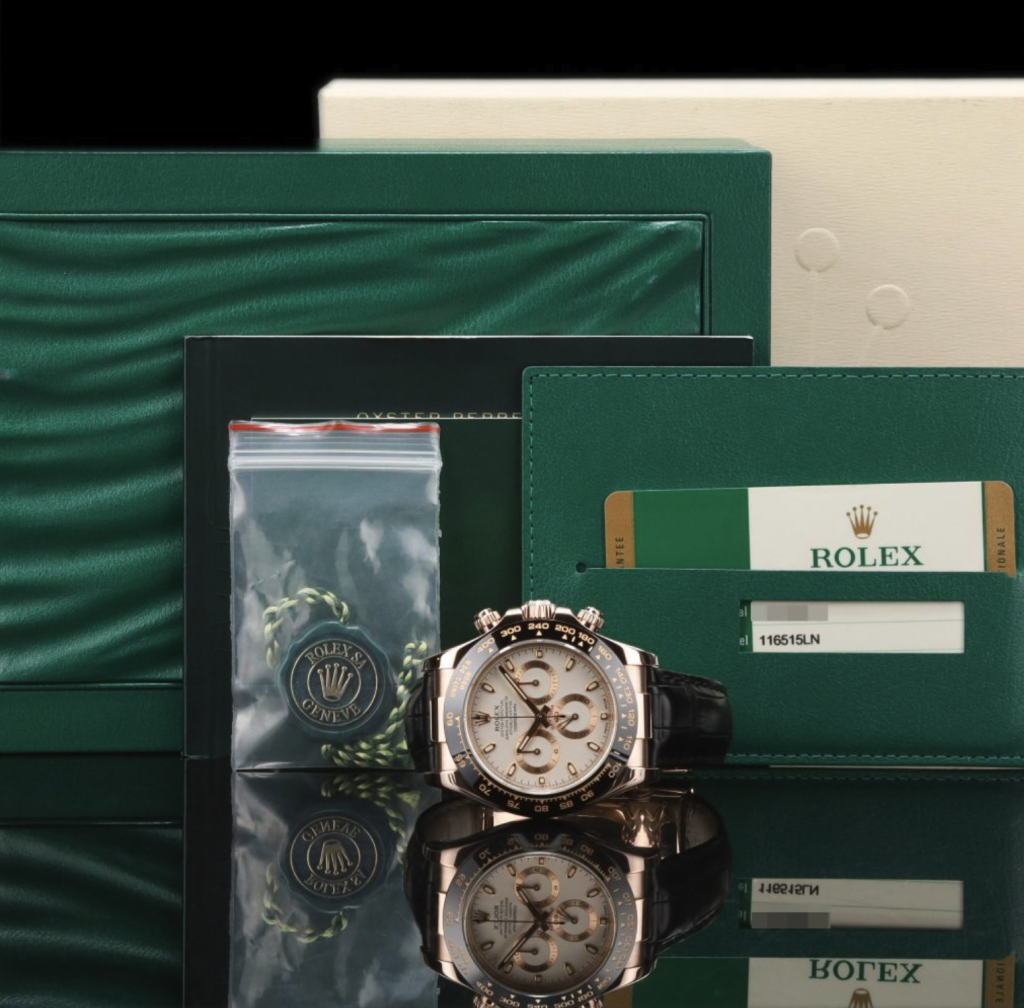
Another issue that comes up often is ignoring the details around the watch itself. Box and papers might not sound like a big deal at first. Some buyers even tell themselves it doesn’t matter. In practice, it does. A full set usually holds value better and sells faster later.
Then there’s condition. Photos can be misleading. Lighting hides scratches. Angles avoid wear spots. A watch described as “excellent” might look very different in person. This tends to catch first-time buyers off guard.
From experience, this is where expectations break down. People assume condition grading is standardized. It’s not. One seller’s “mint” is another seller’s “good.”
Another mistake? Overlooking service history. A Daytona might look perfect externally but still need a full service. That’s not always obvious unless you ask directly. And if you don’t factor that into your cost, it hits later.
Some buyers also get pulled into trends without realizing it. Certain dial colors or references spike in popularity, and suddenly everyone wants the same version. Prices follow that demand. Then things cool off.
If you buy at the peak without understanding that cycle, you might end up holding something that dips in value short term. Not a disaster, but something to be aware of.
There’s also a tendency to trust appearances too much. A professional-looking seller, a clean website, polished photos. It all builds confidence. But it doesn’t guarantee anything.
Reputation matters more than presentation. Reviews, history, and consistency tell you far more than aesthetics.
One subtle mistake that doesn’t get talked about enough is buying the “almost right” watch. You know the one. It’s close to what you want, but not quite. Maybe the dial color is off. Maybe it’s a different reference. But it’s available now, so you compromise.
That decision tends to linger. Over time, most people end up selling that watch and buying the one they actually wanted in the first place. Which usually costs more overall.
Patience helps here. More than anything else.
There’s also the question of why you’re buying. Sounds obvious, but it’s not always clear in practice. Some buyers say they want an investment, but they also want to wear the watch daily. Those goals don’t always align.
Wearing a watch regularly introduces wear. That affects resale. Not drastically, but enough to matter at higher price points.
It’s not about choosing one over the other. It’s about knowing what you care about more and adjusting your expectations.
Another area people underestimate is negotiation. Many assume the listed price is fixed. In reality, there’s often room, especially with independent dealers. Not always, but often enough that it’s worth asking.
The key is doing it respectfully and with context. If you understand the market range, your offer feels grounded. If you don’t, it can come across as random.
Lastly, there’s the emotional side of buying a Daytona. It doesn’t get discussed much, but it plays a role. This is a watch tied to status, achievement, even identity for some people. That emotional weight can push decisions faster than logic would.
You convince yourself it’s the right time. That the deal is too good to pass up. That you’ll figure out the details later.
That’s usually when mistakes happen.
Taking a step back, even for a day, helps more than most expect. It gives you space to reassess without the pressure of the moment.
None of this is meant to scare you off. It’s just the reality of a market that rewards patience and attention to detail.
Most buyers who get it right didn’t do anything extraordinary. They just avoided the common pitfalls. And that alone made all the difference.
Final Thoughts on This Publish Rolex Daytona Buying Guide
At this point, you probably have a clearer sense of what you’re stepping into. This Publish Rolex Daytona Buying Guide isn’t meant to push you into buying. It’s meant to slow you down just enough to make a better call.
Take your time. Watch the market. Ask questions. Verify everything.
There’s no rush, even if it feels like there is.
A Daytona can be a great purchase. It can also be an expensive mistake. The difference usually comes down to how prepared you are going in.
When you do decide, make sure it’s the one you actually want. Not just the one that was available.