
The top entry-level luxury watches in the $3,000 to $7,000 range deliver real value without buyer’s remorse: the Tudor Black Bay, Tudor Pelagos, Omega Seamaster and Speedmaster, and Panerai Luminor. Buying pre-owned stretches your money further. Prioritize versatility and proper fit for your actual lifestyle, and be patient enough to choose a watch you’ll still enjoy years from now instead of chasing whatever is trending.
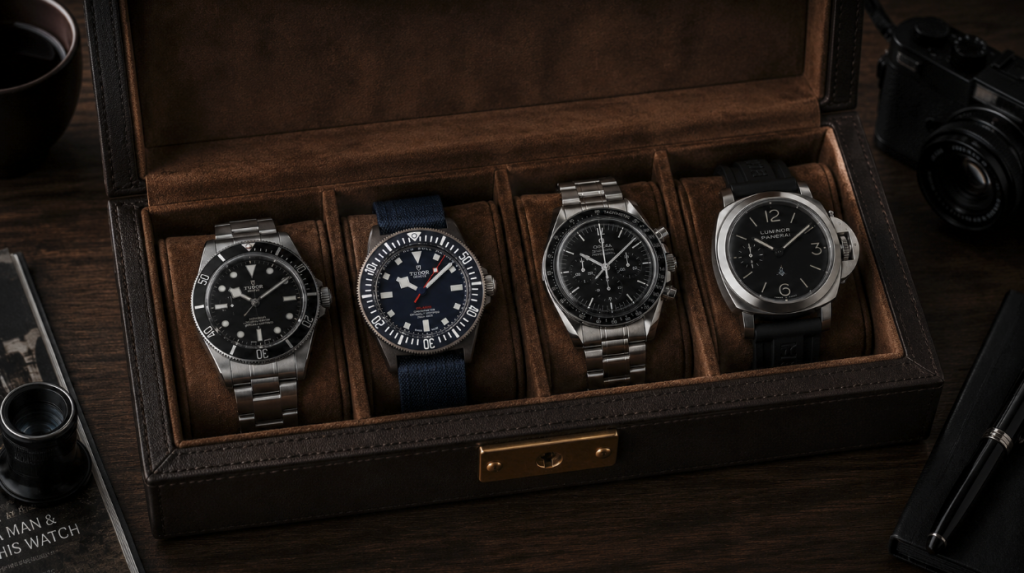
These picks move fast on the pre-owned market. Browse our authenticated Tudor inventory, fully checked and ready to wear.
I · The Definition
What “Entry-Level Luxury” Actually Means in 2026
“Entry-level luxury” sounds like a category that should have a clear definition. It doesn’t. Ask a few collectors and you’ll hear different answers almost immediately. Someone who entered the hobby fifteen years ago views today’s market very differently than someone buying their first watch right now, and a lot of that comes down to pricing.
The landscape has shifted. Watches that once felt comfortably mid-range now sit closer to the entry point for many established Swiss brands. In 2026, buyers shopping seriously usually find themselves somewhere between $3,000 and $7,000. That’s enough money to make anyone hesitate, probably for good reason.
Mechanical watches stopped being practical a long time ago. Nobody needs one. The appeal lives somewhere else entirely.
Phones solved the timekeeping problem years back. Some people get pulled in by craftsmanship, others by engineering or brand history, and sometimes there’s no neat explanation at all. A particular watch simply stays in your head longer than it should. That’s usually when brands like Tudor, Omega, and Panerai start looking a lot more appealing.
If you’re still figuring out budgets, brand positioning, and what long-term ownership actually looks like, spend some time with our complete luxury watch buying guide before you commit to anything.
II · Tudor Black Bay
Tudor Black Bay Still Leads the Pack
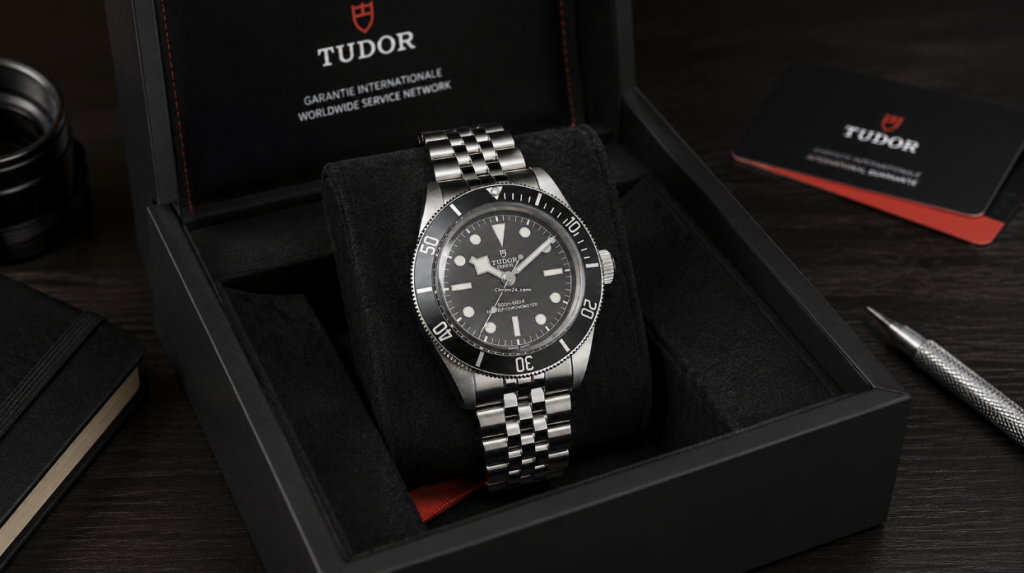
If someone asked for a single brand recommendation, Tudor would be hard to ignore. Not because every model is exceptional, since no brand can honestly claim that. What Tudor does particularly well is avoid obvious weaknesses. The watches feel solid, the designs have their own identity, and pricing still feels connected to reality. That’s becoming less common.
The Black Bay Bronze remains one of the more interesting options around the $3,000 mark on the pre-owned market. Bronze has always been a bit divisive. Some owners enjoy watching the metal change over time, others avoid it entirely because they want consistency, and neither approach is wrong. The attraction is the unpredictability. Every watch develops differently, and small scratches and color shifts become part of its personality instead of something to correct.
The Black Bay GMT appeals for different reasons. Most conversations start with the bezel colors and the Pepsi nickname, and that’s fair since it’s the first thing people notice. What keeps owners attached is less obvious. It fits into daily life remarkably well. Travel, work, weekends, dinners, airport lounges, grocery runs. The GMT rarely feels out of place, and that’s a bigger advantage than most first-time buyers realize.
Collectors love to talk about upgrading. Better watches, more expensive watches, different brands. What’s interesting is how often the Black Bay GMT survives those upgrades. There’s probably a lesson hidden in that somewhere.
III · Tudor Pelagos
The Tudor Pelagos Might Be the Best Tool Watch Under $5,000
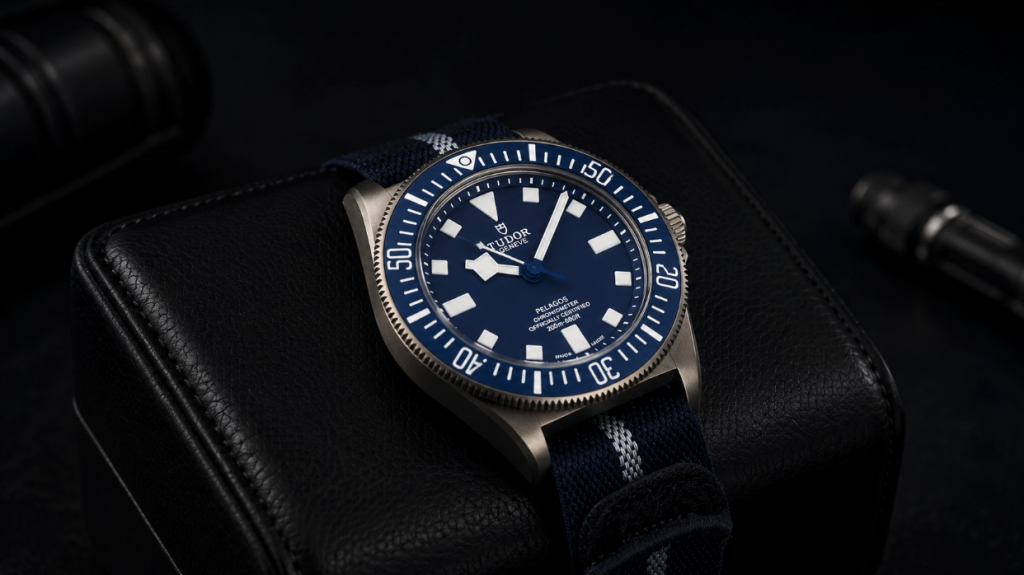
The Pelagos attracts a slightly different audience. Someone buying a Black Bay is often responding to the character of the watch. Someone buying a Pelagos usually cares more about function. The watch feels deliberate. The titanium construction gets mentioned constantly, which can sound like marketing copy, until you wear one for a week and understand why people keep bringing it up.
The weight difference isn’t dramatic at first. Then you switch back to a steel dive watch and suddenly everything feels heavier than you remembered. The Pelagos also avoids unnecessary complexity. The dial is easy to read, the bracelet system solves real problems, and nothing feels included just because a marketing department wanted another bullet point. That restraint is a big part of the appeal.
Collectors often call the Pelagos one of the strongest modern dive watches available. Normally that sounds like enthusiast exaggeration, but here the argument is easy to follow. For the technical side of dive certification, this professional dive watch standards overview explains the requirements used to define a true diver’s watch.
A clean pre-owned example generally trades around $5,000, keeping it firmly in the entry-level conversation for 2026. Most Pelagos owners aren’t looking for attention. If anything, they appreciate the opposite. The watch quietly does its job, and for a lot of people that’s exactly the point.
IV · Omega
Omega Seamaster and Speedmaster Are Still Easy Recommendations
Some brands stay relevant because they market themselves well. Omega has certainly done that, but marketing alone doesn’t explain why collectors keep recommending the same watches generation after generation. At some point the product has to back it up, and that’s where the Seamaster and Speedmaster come in.
Ask experienced collectors for a shortlist of sensible first luxury watches and Omega almost always shows up. Not because it’s trendy or the cheapest option, but because these watches age well, physically and emotionally. The Seamaster is probably the easier one to live with day to day. It travels well, works around water, and doesn’t look out of place in an office or on a weekend. That versatility sounds boring until you’ve owned a watch that lacks it. Then you notice.
The Speedmaster is a different story. People don’t buy one purely for specs. The history matters. Whether you’re deeply into space exploration or not, the Moonwatch connection carries weight, and very few watches have become part of a broader cultural story the way the Speedmaster has. Readers interested in the original NASA-issued watch can explore this historical moon mission watch documentation, which details the Speedmaster used during Apollo 11.
Here’s something newer buyers overlook. Omega gives you options, and a lot of them. Different case sizes, generations, dial layouts, and price points. The assumption that newer automatically means better fades pretty quickly with experience. Older Seamasters and Speedmasters often deliver most of the ownership experience for noticeably less money, and that’s where some of the best buying opportunities still live.
Want to compare a few in person? See the authenticated Omega Seamasters and Speedmasters we have in stock right now.
V · Panerai
Don’t Overlook the Panerai Luminor
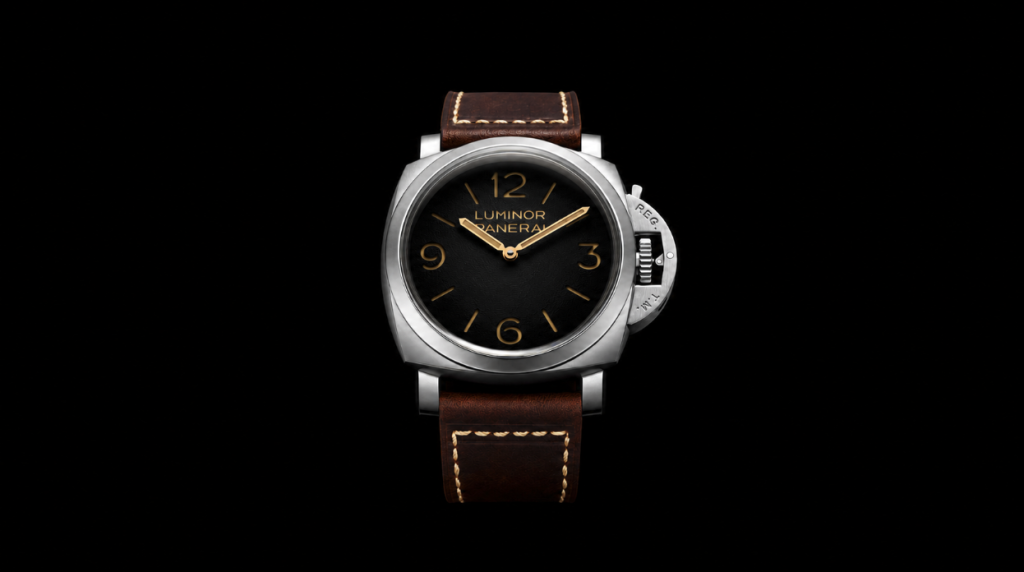
Panerai tends to create strong reactions. People usually know within a few minutes whether they like a Luminor or not. There’s rarely much indecision. Part of that is the design. The cushion-shaped case, oversized presence, and distinctive crown guard don’t really resemble anything else. In a market where many sports watches start looking the same, Panerai still feels unmistakably Panerai. That’s worth something.
The design language hasn’t changed dramatically over the years either. While other brands constantly refine and reinvent, Panerai has stayed surprisingly consistent. Some collectors love that, others find it repetitive, and both views are understandable. What often surprises newcomers is the community around the brand. Spend enough time around Panerai owners and you notice a pattern. Many don’t stop at one. They buy another, then another. That kind of loyalty doesn’t happen by accident.
There are compromises, of course. Large case sizes aren’t ideal for everyone, and some wrists wear a 44mm Panerai better than others. Some buyers prefer a lower-profile watch that slips quietly under a cuff, and nothing is wrong with that. Still, for someone who wants genuine presence, the Luminor deserves a closer look than it usually gets. A lot of buyers dismiss it online, then change their mind completely after trying one on. That happens more often than you’d think.
The secondary market is especially attractive here, where strong examples often turn up at prices that feel far more reasonable than buying new. The collector behavior behind that is covered in this luxury watch collector market analysis, which helps explain why enthusiast-focused brands keep strong demand despite smaller audiences than Rolex.
The Shortlist
The Four Picks at a Glance
Tudor Black Bay · from ~$3,000
The All-Rounder
Bronze for character, GMT for daily versatility. The pick that tends to survive every upgrade.
Tudor Pelagos · ~$5,000
The Tool Watch
Titanium, function-first, no fluff. A strong case for best dive watch under $5,000.
Omega Seamaster / Speedmaster
The Safe Classic
Seamaster for everyday versatility, Speedmaster for history. Older references stretch the budget.
Panerai Luminor
The Statement
Unmistakable presence at 44mm. Polarizing online, far more convincing on the wrist.
VI · Before You Buy
Focus on These Factors Before You Buy Anything
This is usually where enthusiasm starts getting expensive. Most people buy their first luxury watch emotionally, and honestly that’s normal. Nobody falls in love with a watch because they studied service costs or compared warranty policies. People respond to design, history, and feel, and sometimes it’s impossible to explain. But emotion alone isn’t enough.
One of the most useful questions you can ask is surprisingly simple: will this watch fit into your actual life, not your ideal one? Can you wear it several times a week? Does it work in different situations? Will you still enjoy it after the novelty wears off? Versatility matters more than most beginners expect, and size matters too, probably more than online photos suggest.
Dealer Note
Try it on before you commit. It’s the most repeated advice in the hobby and the most ignored. A 44mm Panerai and a 39mm Black Bay read completely differently on the same wrist, and no photo will tell you which one you’ll actually reach for. If you can’t see one in person, ask us for wrist shots on a comparable wrist size before you buy.
Another thing people overlook is servicing. Nobody enjoys thinking about maintenance while shopping, yet ownership doesn’t end at the purchase. Every mechanical watch eventually needs attention. The exciting part is buying it. The practical part comes later, and that’s where expectations sometimes get adjusted.
VII · Buying Pre-Owned
Why Buying Pre-Owned Usually Makes More Sense
If there’s one lesson that could save a first-time buyer real money, this is it. The pre-owned market deserves serious consideration. New collectors often hesitate, and that’s understandable. A lot of the worries people have on their first purchase are the same ones that lead to luxury watch buying mistakes when they rush the process or skip the research.
Questions about authenticity, condition, service history, and long-term reliability are all valid. Nobody wants an expensive surprise. The good news is those risks become far more manageable when you deal with established sellers and take the time to do proper research.
What makes pre-owned attractive isn’t just pricing. It’s access. A brand-new watch usually loses a portion of its value shortly after purchase, and buying pre-owned often means stepping in after that initial depreciation has already happened. A budget that feels restrictive at retail becomes much more flexible on the secondary market, and that’s where collectors start finding interesting options. Discontinued references, older dial variants, and models enthusiasts quietly prefer over current production.
Many of the watches collectors talk about most aren’t sitting in boutiques anymore. They’re sitting in watch boxes. Most people enter the hobby assuming the latest release is automatically the best one available. After a few years, many discover that some of the most rewarding purchases are older watches that never appeared on their radar at the start.
Shop With a Long-Term Mindset
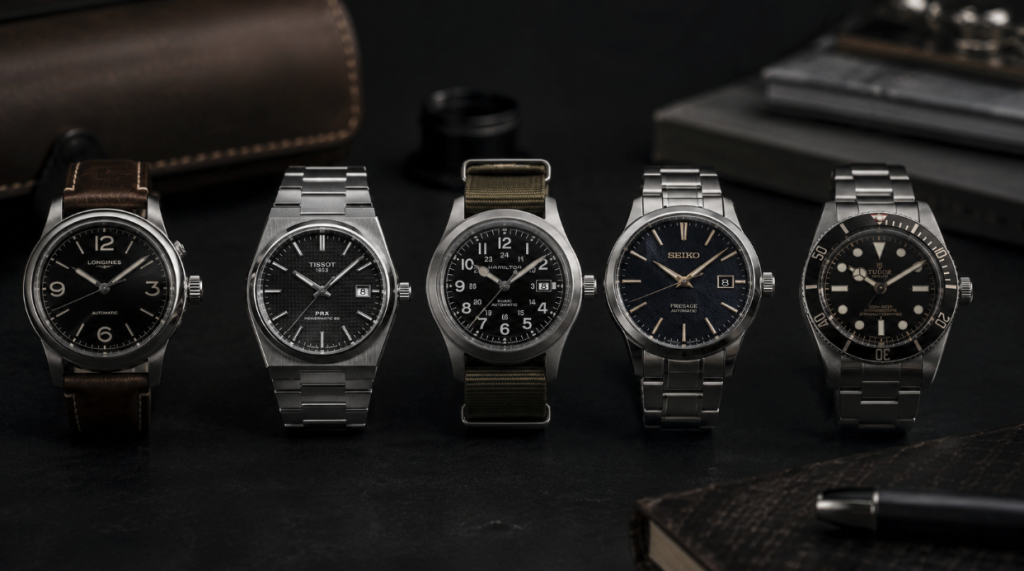
The biggest mistake most new collectors make isn’t choosing the wrong watch. It’s moving too quickly. The excitement of a first luxury watch speeds everything up. A few weeks of research can feel like months when you’re eager to buy. Then you talk to experienced collectors and realize many spent half a year deciding on a single purchase. There’s probably a lesson in that contrast.
The urge to buy tends to fade. The right watch usually doesn’t.
Research the options, compare references, visit dealers, wear different sizes, and ask the questions that feel obvious. Then step away and give yourself a little time. If the same watch keeps showing up in your mind days later, that’s worth paying attention to. The goal isn’t building a collection as fast as possible. It’s starting with something you’ll still enjoy years from now.
For many collectors, that first serious watch becomes the start of everything that follows. Not because it’s the most valuable watch they ever own, but because it’s the one that made the hobby feel real. Whether you land on a Tudor Black Bay, Tudor Pelagos, Omega Seamaster, Omega Speedmaster, or Panerai Luminor, focus on long-term enjoyment rather than whatever happens to be trending this month. Trends come and go. The watches worth owning tend to stick around.
Not sure which one fits your wrist and your life? Tell us your budget and how you’ll wear it, and we’ll point you the right way. No pressure, no waitlist games.
VIII · Final Word
The Bottom Line on Entry-Level Luxury in 2026
Finding the best entry-level luxury watch has less to do with chasing trends than most people think. The internet creates the impression that there’s a single correct answer. Usually there isn’t.
Tudor continues to offer some of the strongest value in the category. Omega remains an easy recommendation. Panerai appeals to buyers who want a little more personality and presence. But the bigger lesson has very little to do with brands. It’s patience. Handle watches in person whenever you can. Spend time researching. Look beyond retail. Pay attention to what keeps pulling your attention back after the excitement fades. Most long-term collectors still remember their first serious watch with surprising clarity, and it’s rarely the spec sheet they remember.
FAQ
Common Questions About Entry-Level Luxury Watches
What is the best entry-level luxury watch in 2026?
There’s no single answer, but the strongest value picks in the $3,000 to $7,000 range are the Tudor Black Bay, Tudor Pelagos, Omega Seamaster and Speedmaster, and Panerai Luminor. The right one depends on how you’ll wear it and what kind of presence you want on the wrist.
Is Tudor a good first luxury watch?
Yes. Tudor’s strength is avoiding obvious weaknesses. The build quality is solid, the designs have real identity, and pricing stays grounded compared to much of the luxury market. The Black Bay in particular is one of the easiest first watches to live with day to day.
Should I buy my first luxury watch new or pre-owned?
Pre-owned usually makes more sense. A new watch typically loses value soon after purchase, so buying pre-owned often means stepping in after that initial drop. It also opens access to discontinued references and older variants many collectors prefer, as long as you buy from an established, authenticated seller.
How much should I spend on my first luxury watch?
For serious Swiss brands in 2026, most buyers land between $3,000 and $7,000. That range covers a clean pre-owned Tudor, Omega, or Panerai. Spend what fits your budget comfortably, and remember to leave room for eventual servicing.
What size luxury watch should I buy?
Size is one of the hardest things to judge from photos, which is why trying watches on is the most repeated advice in the hobby. A 44mm Panerai and a 39mm Black Bay wear completely differently. If you can’t see one in person, ask for wrist shots on a comparable wrist size before deciding.