Selling Your Luxury Watch In 2026: 8 Ways To Get A Fair Price Without The Runaround
If you’re researching how to sell your luxury watch in 2026, you’ve probably already noticed something strange. The same watch can receive wildly different valuations depending on who you ask.
One buyer says it’s worth a certain amount. Another comes back thousands lower. Then you open a marketplace and see listings that look incredibly promising until you realize they’re still sitting there months later.
That’s usually where the confusion starts.
A lot of people assume selling the watch will be the difficult part. In reality, figuring out what a fair offer actually looks like tends to be the bigger challenge.
Maybe you’re moving on from a Rolex that rarely leaves the safe anymore. Maybe another watch has caught your attention. Or maybe you’d simply rather have the cash than a piece you no longer wear.
Whatever the reason, most sellers want the same thing. A fair deal. A straightforward process. No unnecessary drama.
Most Sellers Start With The Wrong Number In Mind
One thing comes up repeatedly when people begin selling a luxury watch. They anchor themselves to asking prices.
The problem is that asking prices aren’t sales prices.
Anyone can list a watch at a number they like. Whether the market agrees is another story entirely.
This tends to catch first-time sellers off guard. A watch advertised for $15,000 can make you feel confident until actual transaction data suggests buyers are closer to $12,500. Sometimes lower.
That’s not because anyone is being dishonest. It’s simply the difference between expectation and reality.
There’s another factor people don’t talk about much. Urgency.
When someone wants a quick sale, the first decent offer can feel tempting. Understandably so. But rushing the process often costs more than sellers realize.
Presentation matters too. Maybe more than it should.
A watch photographed poorly or listed with missing details immediately creates questions. Buyers notice uncertainty and price accordingly.
Before accepting any offer, it helps to understand how buyers assess value in the first place. Our Luxury Watch Buying Guide breaks down many of the factors that influence pricing behind the scenes.
Most people can improve their outcome simply by slowing down for a day or two before accepting an offer.
Buyers Look At Watches Differently Than Owners Do
When people research selling their luxury watch, they often focus on the things they personally love about their piece. The buyer sitting across from them usually isn’t thinking that way.
Professional watch buyers are generally evaluating risk, demand, condition, and resale potential. Emotional attachment doesn’t really enter the equation.
That’s not criticism. It’s just business.
Condition Often Matters More Than Sellers Expect
Owners get used to their watches. After years of wear, a small scratch becomes invisible. Minor bracelet stretch stops standing out. Tiny marks around the clasp blend into the background.
Buyers see everything.
From experience, this is where expectations sometimes break down. A seller may describe a watch as excellent because they’ve lived with it for years. A buyer may view the same watch very differently.
That doesn’t mean either person is wrong. Luxury watches are meant to be worn. The key is understanding how the market evaluates wear before entering negotiations.
Box And Papers Still Carry Weight
Some collectors insist the watch itself is all that matters. They’re not entirely wrong.
Still, the market has always placed value on completeness.
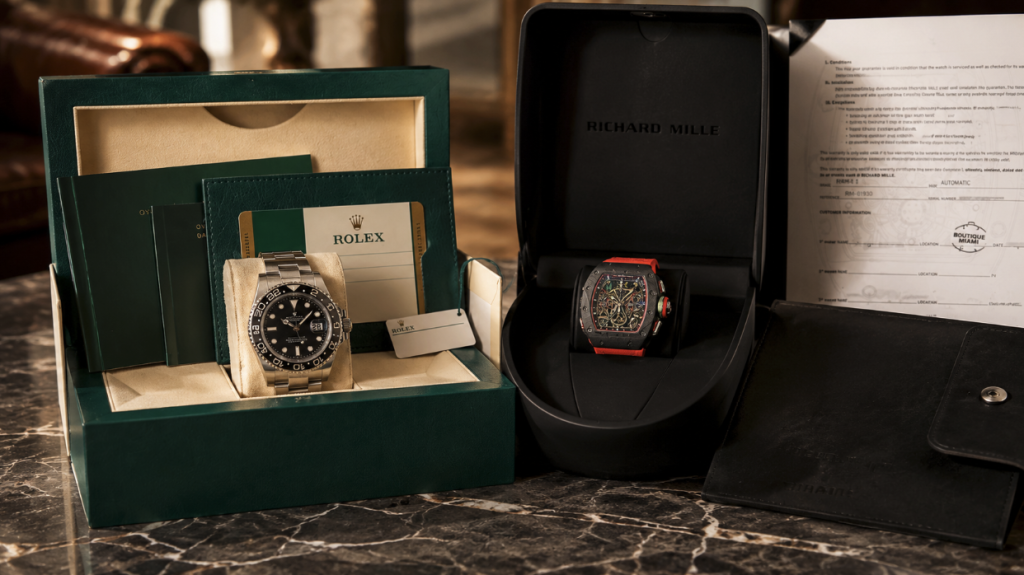
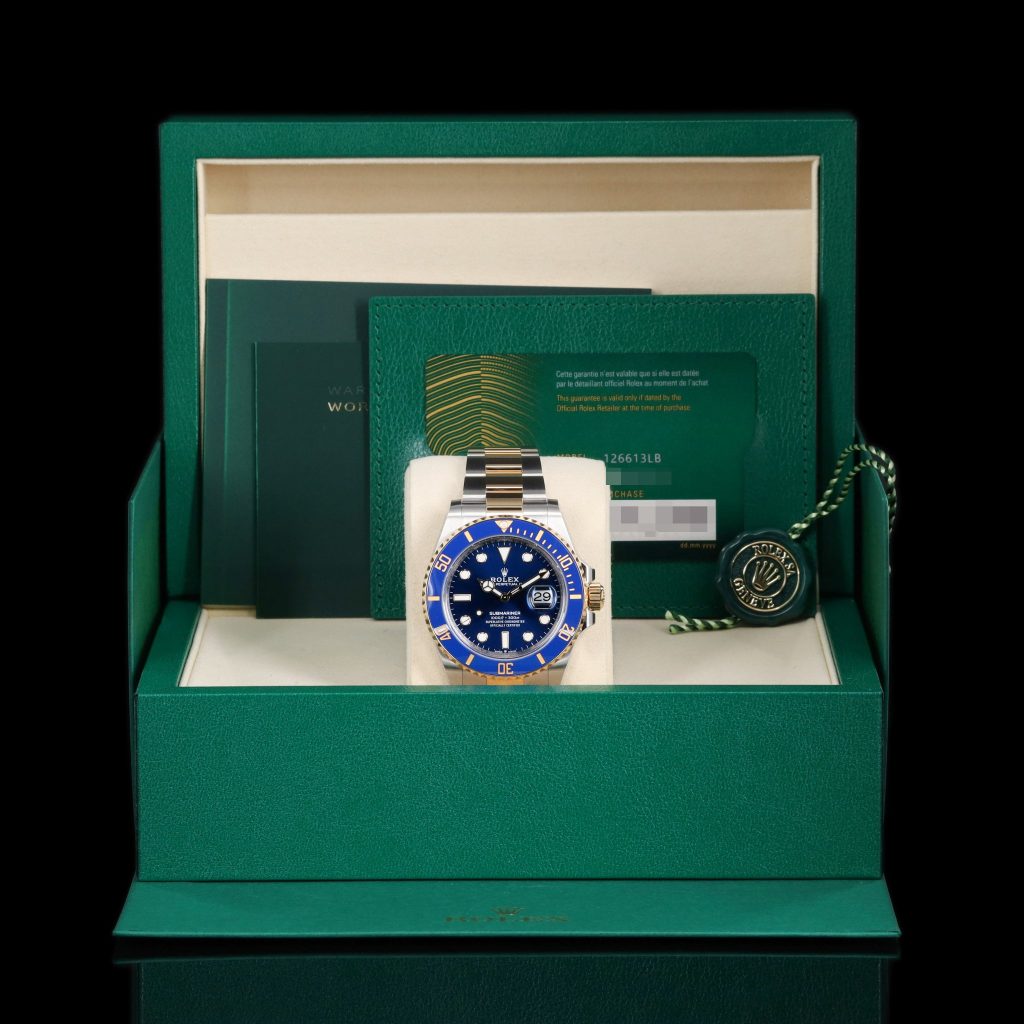
Warranty cards, original boxes, manuals, receipts, hang tags, and service documents help tell the watch’s story. Buyers generally like that.
Can a watch sell without any of it? Of course. Many do. But complete sets tend to attract stronger interest and, in many cases, stronger offers.
Service History Removes Guesswork
Most buyers prefer certainty whenever possible. A recent service record provides some of that certainty.
If a manufacturer has already inspected and serviced the watch, there are simply fewer unknowns hanging over the transaction. Buyers know that. Sellers benefit from it.
Brands such as Rolex, Patek Philippe, Omega, and Audemars Piguet often see particularly strong interest when documentation accompanies the watch.
Demand Doesn’t Always Follow Logic
Here’s something many sellers find frustrating. Two watches with similar retail prices can have completely different resale outcomes.
One may attract interest immediately. Another struggles despite being objectively impressive.
Collector demand can be unpredictable. Trends change. Inventory changes. Tastes change. Professional buyers spend a lot of time tracking those shifts because demand frequently influences pricing more than sellers expect.
Private Sales Sound Great Until You Actually Try One
Private sales look fantastic on paper. No middleman. No dealer margin. Maximum return.
That’s the sales pitch, anyway. Reality usually looks a little different.
You’ll need photos. Listings. Descriptions. Conversations. Negotiations. Payment verification. Shipping arrangements. More conversations.
Then come the messages.
Some buyers are serious. Many aren’t. People ask questions they could have answered by reading the listing. Others negotiate aggressively. Some disappear entirely after lengthy discussions.
For experienced collectors, none of this is unusual. For someone selling a watch for the first time, it can become surprisingly exhausting.
The potential reward exists. So does the effort required to reach it.
Online Marketplaces Offer Reach, But They Also Create Noise
Marketplace platforms have obvious advantages. A watch listed online can reach buyers from almost anywhere. That’s particularly useful for uncommon references or niche collector pieces.
The challenge is visibility.
There may be hundreds of competing listings sitting right beside yours. A quick search for a popular Rolex reference often reveals page after page of similar watches. Some sellers are motivated. Others are willing to wait indefinitely. All of them are competing for the same attention.
Current resale trends are easier to understand when viewed through actual luxury watch marketplace transaction data, which often reveals a very different picture from asking prices alone.
Then there are the hidden costs people sometimes overlook. Listing fees. Payment processing fees. Shipping expenses. Insurance costs.
Individually they don’t seem dramatic. Together they can meaningfully reduce your final proceeds.
This is why the highest advertised price isn’t always the best outcome. What matters is what actually reaches your account once everything is finished.
Marketplace selling absolutely works. It just tends to require patience.
Dealer Sales Remain Popular For A Reason
Some sellers assume dealer transactions are only for people who want a quick exit. That’s not always true.
A good dealer removes a lot of friction from the process. The watch is evaluated. The market is considered. An offer is presented. If both parties agree, the transaction moves forward.
Simple.
No listings to manage. No endless inquiries. No scheduling meetings with strangers you’ve never met before.
Will a dealer generally pay less than a perfect private sale scenario? Usually.
The interesting part is that the difference isn’t always as large as sellers expect. Once fees, time, risk, and uncertainty enter the equation, many owners find the tradeoff worthwhile.
Speed And Security Have Value Too
Price gets most of the attention when discussing selling your luxury watch. Fair enough. But speed and security deserve some consideration as well.
Dealer transactions can often move quickly because professional buyers already understand the market. They know the references. They know current demand. They know what they’re looking at.
That familiarity shortens the process considerably.
Security is another reason many sellers lean toward established buyers. A luxury watch worth five figures naturally attracts attention. Unfortunately, not all of that attention is welcome.
Meeting unknown buyers, handling large payments, and shipping valuable items introduce risks that many people would rather avoid. Reputable dealers usually have systems designed to minimize those concerns.
And there’s something else. Certainty.
Many owners underestimate how valuable it feels to receive a realistic offer and simply make a decision. No waiting. No wondering. No checking messages every day to see whether a buyer has appeared.
That peace of mind matters more than people often admit.
Small Details Can Change The Outcome
The strongest offers don’t always go to the rarest watches. Sometimes they go to the best-prepared sellers.
A little organization goes a long way.
Gather whatever came with the watch. The original box. Warranty card. Service receipts. Manuals. Spare links. Even if you suspect those items aren’t important, include them anyway. They help buyers evaluate the watch more confidently.
Photos deserve attention too. Natural lighting usually beats heavy editing. Clear images beat artistic ones. Buyers aren’t looking for a magazine cover. They’re looking for an accurate representation of the watch.
And if there are flaws, show them. Trying to hide condition issues rarely ends well. Experienced buyers spot them eventually. They almost always do.
One final suggestion. Get more than one quote. Different buyers may view the same watch differently depending on inventory needs, customer demand, and specialization. A second or third opinion often provides useful perspective.
The Right Buyer Makes A Bigger Difference Than Most People Realize
When people think about selling a luxury watch, they usually focus on the watch itself. That’s understandable.
They want to know what a Rolex is worth. Or whether a particular Omega, Tudor, Cartier, Breitling, Panerai, Audemars Piguet, Patek Philippe, IWC, or Jaeger-LeCoultre is still in demand.
The truth is, many of these brands continue to attract strong buyer interest. Vintage references still have an audience. Modern pieces do too. The market hasn’t stopped moving.
Recent findings from the global luxury watch market report show that consumer demand, resale activity, and buying behavior continue to evolve across both established and emerging watch markets.
But after seeing enough watch transactions, one thing becomes clear. The watch matters. The buyer matters just as much.
A strong buyer doesn’t just throw out a number and hope you’ll accept it. They explain how they got there. Maybe condition affected the valuation. Maybe recent market activity played a role. Maybe the service history helped. Whatever the reason, the conversation feels transparent rather than transactional.
Trust plays a bigger role than many first-time sellers expect. If you’re unsure what legitimate buyers look for when verifying a watch, our guide to authenticating luxury watches explains the checks professionals typically perform before making an offer.
That tends to make a big difference. Most sellers aren’t expecting the highest offer ever made on a watch. They’re looking for something fair. Something that makes sense.
And honestly, the smoothest deals are often the least dramatic ones.
General consumer guidance from the FTC recommends researching sellers carefully, verifying payment procedures, reviewing policies, and keeping transaction records before committing to a purchase or sale.
Sellers often get a feel for a buyer surprisingly quickly. Clear communication usually stands out. So does professionalism. The opposite stands out too.
If answers feel vague, if the numbers keep changing, or if there’s pressure to make an immediate decision, it’s worth slowing things down. Most legitimate buyers understand that selling a luxury watch isn’t an impulse decision.
A good transaction shouldn’t feel rushed. It shouldn’t feel confusing either. The best buyers make the process easier, not harder.
Making Your Sale Count
Selling your luxury watch in 2026 can feel overwhelming when you’re first looking into it. There are competing offers, conflicting opinions, and plenty of noise online. That’s normal.
What tends to separate successful sellers from frustrated ones isn’t insider knowledge. It’s preparation.
People who understand roughly what they own, gather their paperwork, compare a few offers, and take time to evaluate their options usually end up in a much better position.
Could a private sale produce the highest number? Sometimes. Could it take weeks of messages, negotiations, and uncertainty? Sometimes that happens too.
For many owners, working with an established buyer ends up being the more practical route. The process is simpler, the risks are lower, and expectations are usually clearer from the beginning.
If you’re considering selling a luxury watch in 2026, don’t focus solely on the highest number you see online. Pay attention to who you’re dealing with, how transparent they are, and whether the process feels straightforward. More often than not, that’s where the best outcomes are found.
Every piece individually authenticated. Fair grey market pricing. No games.
Selling Your Luxury Watch: Common Questions
How do I find out what my luxury watch is actually worth?
Start by looking at completed sales rather than asking prices. Platforms like Chrono24 and WatchCharts show real transaction data that’s typically more reliable than active listings. Getting quotes from two or three reputable dealers will also give you a realistic range based on current market conditions.
Do I need the original box and papers to sell my watch?
You don’t need them to sell, but having them typically helps. Complete sets with the original box, warranty card, and any service records tend to attract stronger offers because they remove uncertainty for the buyer. The impact varies by brand and reference, but it’s rarely a negative.
Should I sell privately or go through a dealer?
Private sales can sometimes yield higher numbers, but they require significant time and effort. You’ll handle photos, listings, messages, negotiations, and payment verification yourself. Dealer sales trade some of that potential upside for speed, security, and simplicity. Once marketplace fees and time investment are factored in, the net difference is often smaller than expected.
How long does it take to sell a luxury watch?
Through a dealer, the process can sometimes be completed within a day or two. Private sales and marketplace listings vary widely. Popular references in good condition may sell within a week. Less common pieces or watches priced above market can sit for weeks or even months.
What should I look for in a watch buyer?
Look for transparency, clear communication, and a willingness to explain how they arrived at their offer. Independent reviews and an established reputation are strong indicators. If a buyer can’t explain their pricing or pressures you into a quick decision, that’s usually a sign to explore other options.
Is now a good time to sell a luxury watch in 2026?
The pre-owned luxury watch market remains active in 2026, with consistent buyer demand for popular brands like Rolex, Patek Philippe, and Audemars Piguet. Resale values fluctuate based on model, condition, and market trends. The best way to gauge timing is to request a current market valuation from a knowledgeable dealer who tracks real-time pricing.